Pakistani farmers and scientists are recognizing the need for genetically modified (GM) crops to help the country transition from subsistence to commercial farming.
Farmers expressed their support for the technology at a recent Crop Life Pakistan Assn. event that showcased the performance of GM maize hybrids in the field. “Biotechnology is the ideal tool for farmers to improve their profitability through reduced input cost and improved yields,” said Muhammad Munir, a local farmer who was particularly excited to see visible benefits of GM maize in the field.
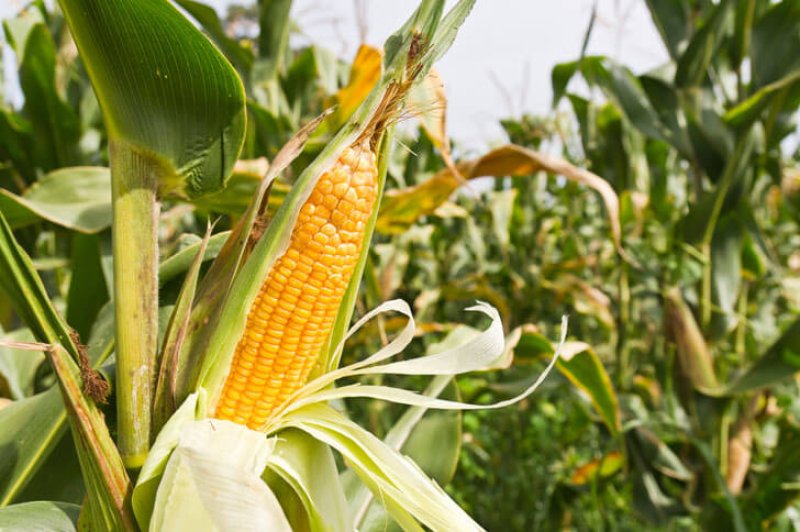
The National Uniform Yield Trials (NUYT) conducted by the Pakistan Agriculture Research Council (PARC) showed that biotech maize hybrids achieved yield increases ranging from 10 to 45 percent over conventional hybrids. Pakistan already experienced a four-fold yield increase over the past 20 years when 95 percent of its maize production shifted to hybrids, according to Muhammad Asim, chairman of Crop Life Pakistan’s biotech and seed committee. Further improvements in yield will require biotechnology, he said.
Maize is the third most important cereal crop in Pakistan, after wheat and rice. The successful GM maize field trials represented another biotechnology milestone for the country, which has already approved and adopted pest-resistant Bt cotton. Research continues on other crops.

Scientists also used the occasion to educate farmers and journalists about the strong international safety record of GM crops since they were first adopted in 1996, as well as their yield advantages. “Contrary to misconceptions, there is a complete consensus amongst the scientific community, locally and internationally, on the efficacy and safety of biotechnology,” Asim said.
This article originally ran at the Cornell Alliance for Science and has been republished here with permission.