Patient death prompts new rules for fecal transplants: ‘Why weren’t these guidelines already in place?’

download
Image: Jeff McIntosh/Associated Press

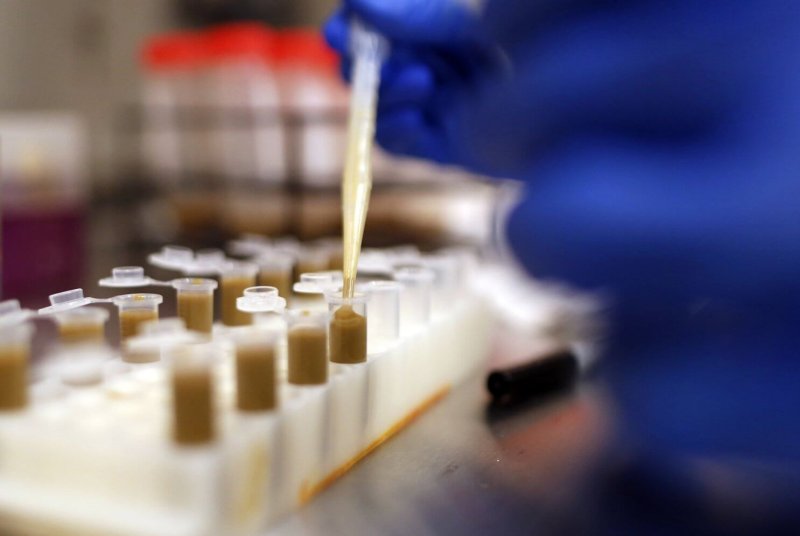
In June [2019], after a patient died and another was sickened from a fecal transplant that contained drug-resistant bacteria, the Food and Drug Administration stepped in and set new guidelines for the procedure.

The guidelines specified that both donors and their stool should be screened for the presence of โ€œmultidrug-resistant organisms.โ€ They were included in an alert issued by the agency stating that the two patients who got sick had weakened immune systems, and that the donor stool they received had not been tested for the specific superbug that made them ill.

The announcement raised more questions than it answered. Chief among them: What happened, exactly, in the two cases? And, given the increasing threat posed by drug-resistant bacteria, why werenโ€™t these guidelines already in place?

Thereโ€™s no question that FMTโ€™s popularity has soared in recent years. On clinicaltrials.gov, there are more than 300 registered trials looking at FMT for a wide variety of conditions, many of which go far beyond the original intended use, including transplant rejection, obesity and cancer, as well as some of the more expected gastrointestinal disorders, such as irritable bowel syndrome and ulcerative colitis.

Read full, original post:ย There were no guidelines for fecal transplants. Then, a patient died.

{{ reviewsTotal }}{{ options.labels.singularReviewCountLabel }}
{{ reviewsTotal }}{{ options.labels.pluralReviewCountLabel }}
{{ options.labels.newReviewButton }}
{{ userData.canReview.message }}

Related Articles

Infographic: Global regulatory and health research agencies on whether glyphosate causes cancer

Infographic: Global regulatory and health research agencies on whether glyphosate causes cancer

Does glyphosateโ€”the world's most heavily-used herbicideโ€”pose serious harm to humans? Is it carcinogenic? Those issues are of both legal and ...

Most Popular

Screenshot-2026-04-22-at-12.21.32-PM
Viewpoint: Why the retracted Monsanto glyphosate study doesnโ€™t change the scienceโ€”the worldโ€™s most popular herbicide is safeย 
Picture1
The FDA couldnโ€™t find a vaccine safety crisis, so it buried its own research
ChatGPT-Image-May-1-2026-11_42_59-AM-2
Viewpoint: NAD is the wellness grifters latest evidence-lite longevity fad. At least the mice are impressed.
global warming
โ€˜Implausibleโ€™: Top climate scientists reject worst-case scenarioโ€”soaring temperatures and fast-rising sea levels
Screenshot-2026-05-21-at-12.15.17-PM
UK gene-editing milestone: Livestock barley that increases ruminant value and reduces methane emissions is first-approved CRISPR crop
vax-misinformation-main
Facts & Fallacies Podcast: Limit free speech to blunt social media misinfo?
ChatGPT-Image-Apr-16-2026-02_56_53-PM
Financial incentives, over diagnosis, and weak oversight: Autism claims are driving up Medicare costs
Screenshot-2026-05-21-at-3.15.53-PM
Chiropractors may no longer be modern-day snake oil salesmen, but the benefits of their therapy are limitedโ€“at best
ChatGPT-Image-May-12-2026-11_27_01-AM-2
AI likely to improve health care, research showsโ€”but not for blacks and ethnic minorities
Screenshot-2026-05-20-at-5.11.17-PM
Viewpoint: No, sugar doesnโ€™t โ€˜feedโ€™ cancer โ€” common cancer myths, debunked

Sorry. No data so far.

glp menu logo outlined

Get news on human & agricultural genetics and biotechnology delivered to your inbox.