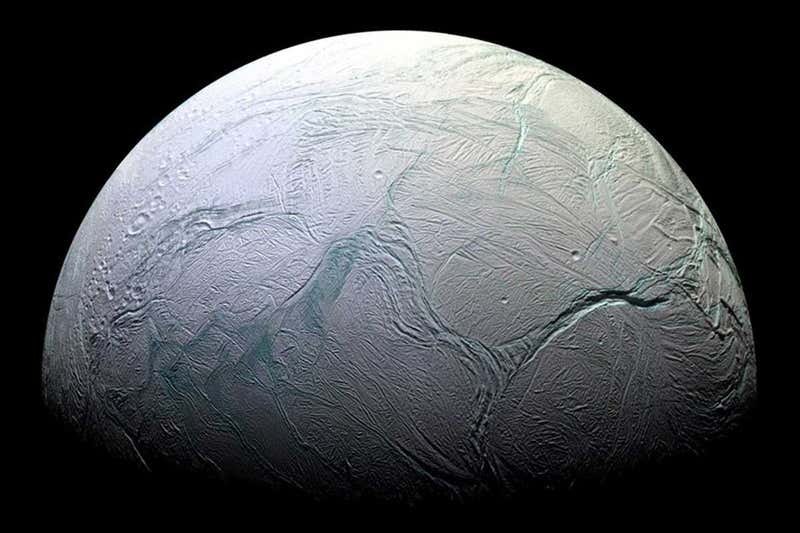

As humans explore the solar system, the tantalizing possibility of discovering extraterrestrial life continues to pop up. But the goal of most scientists is to discover existing life on another world, not to accidentally bring it there from Earth. Whether travelers are robotic probes or human astronauts, scientists are increasingly faced with the challenge of preventing the contamination of alien environments. But if we uncover still-evolving alien life on another world, can we even justify going there?
…
Scientifically, “you don’t want to find yourself in the position of equivocating about whether you found something left behind by a previous probe versus something which truly represents a separate generation of life,” says James H. Beall.
…
That’s not to dismiss the ethical concerns, though. Beall says that should humans find signs of extraterrestrial life, we will have to face tests about whether we’re there for exploitation, preservation, or a mixture of both that’s more akin to animal husbandry.



…
When the question of life is placed out front, most experts immediately talk about the importance of preserving it. Beall sees human carelessness as one of the biggest risks to extraterrestrial life.
Read full, original post: If We Find Alien Life, Can We Avoid Harming It?