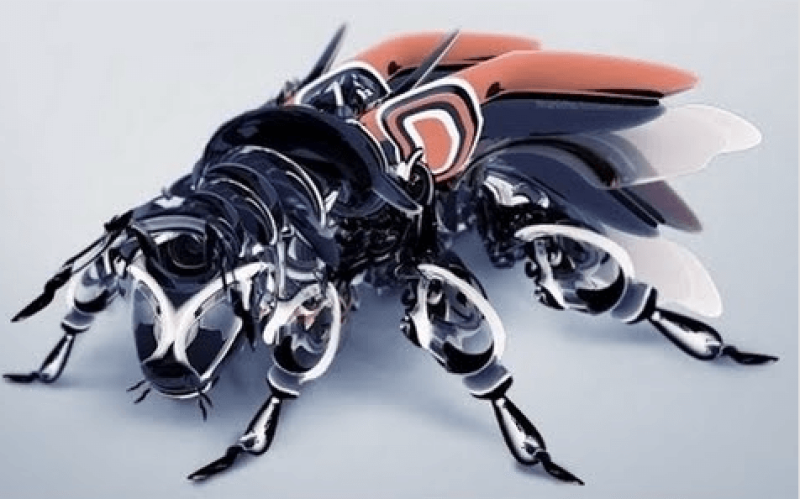
Scientists dream of one day being able to construct viruses or bacteria from a collection of building blocks. Like a molecular delivery service, the viruses would deliver their genetic material to the cells of plants, animals or even people, where they would then fulfill their mission: boosting the production of certain proteins or directly manipulating the cell’s genetic makeup.
The technology’s potential promise for agriculture is enormous. Plant viruses that pose no danger to humans could protect olive orchards and orange plantations from disease or shield staples like corn and rice from the effects of drought or strong rains.
…
In Florida, Southern Gardens Citrus began working on the super-viruses together with other scientists …. And some scientists in the U.S. have even taken a step further: They are breeding aphids and leafhoppers that will have the ability to transmit the viruses to plants. The program, which receives financing from the U.S. government’s Defense Advanced Research Projects Agency (DARPA), is called Insect Allies.

…
Some scientists have …. issued a warning aimed specifically at the DARPA program that the technology could fall into the wrong hands and be transformed into a dangerous biological weapon. Indeed, the line between high-tech helper and horrific threat appears to be a fine one.
Read full, original article: The Advance of Designer Viruses in Agriculture