‘Synthetic biology doesn’t have to be scary’: It could offer us new medicines, biofuels and everything in between

ptw boyle acs syntheticbiology coverart final lowres

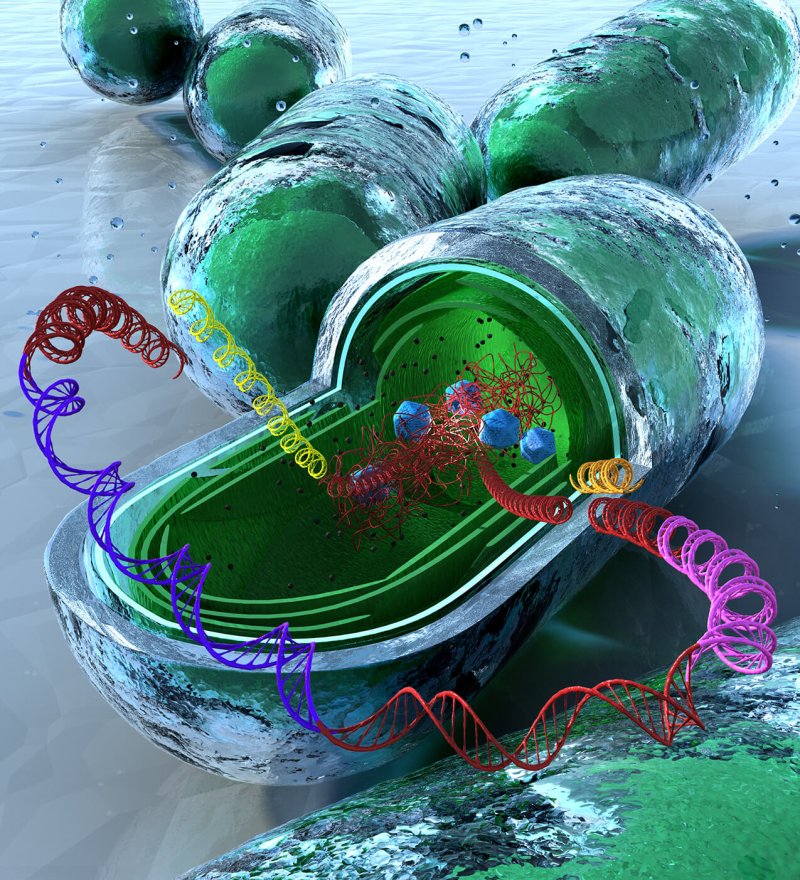
Though hacking organisms and rearranging genomes may sound scary, there is definitely a Light Side to this narrative (a balance, if you will). From medicines to biofuels and everything in between, there is incredible potential for cleverly redesigned biology to help us take on some of our world’s most pressing challenges in sustainability.

One of the first success stories in the field was engineering yeast to convert sugar into the precursor to artemisinin, the key molecule used in malaria treatments. It’s an expensive endeavor to grow a field of Chinese sweet wormwood plants, harvest the field, and extract the small traces of artemisinin found in the plant leaves. Now, we can more directly brew the malaria treatment in giant fermenters, concentrating most of our resources on producing the specific molecule we want rather than growing up all the other parts of a leafy plant.

From the production of farnesene (a biofuel) to skin-moisturizing squalanespider silk proteins, cannabis, and even the fragrance of an extinct flower, these companies are building scientific platforms that can sustainably produce hundreds of molecules relevant to many sectors of society. The possibilities of what can be made with synthetic biology are growing every day.

Read full, original post: The Light Side of Genetic Engineering

{{ reviewsTotal }}{{ options.labels.singularReviewCountLabel }}
{{ reviewsTotal }}{{ options.labels.pluralReviewCountLabel }}
{{ options.labels.newReviewButton }}
{{ userData.canReview.message }}

Related Articles

Infographic: Global regulatory and health research agencies on whether glyphosate causes cancer

Infographic: Global regulatory and health research agencies on whether glyphosate causes cancer

Does glyphosate—the world's most heavily-used herbicide—pose serious harm to humans? Is it carcinogenic? Those issues are of both legal and ...

Most Popular

Screenshot-2026-04-22-at-12.21.32-PM
Viewpoint: Why the retracted Monsanto glyphosate study doesn’t change the science—the world’s most popular herbicide is safe 
Picture1
The FDA couldn’t find a vaccine safety crisis, so it buried its own research
ChatGPT-Image-May-1-2026-11_42_59-AM-2
Viewpoint: NAD is the wellness grifters latest evidence-lite longevity fad. At least the mice are impressed.
global warming
‘Implausible’: Top climate scientists reject worst-case scenario—soaring temperatures and fast-rising sea levels
ChatGPT-Image-Apr-16-2026-02_56_53-PM
Financial incentives, over diagnosis, and weak oversight: Autism claims are driving up Medicare costs
vax-misinformation-main
Facts & Fallacies Podcast: Limit free speech to blunt social media misinfo?
Screenshot-2026-05-21-at-12.15.17-PM
UK gene-editing milestone: Livestock barley that increases ruminant value and reduces methane emissions is first-approved CRISPR crop
Screenshot-2026-05-21-at-3.15.53-PM
Chiropractors may no longer be modern-day snake oil salesmen, but the benefits of their therapy are limited–at best
ChatGPT-Image-May-12-2026-11_27_01-AM-2
AI likely to improve health care, research shows—but not for blacks and ethnic minorities
glp menu logo outlined

Get news on human & agricultural genetics and biotechnology delivered to your inbox.