Does marijuana help with depression and anxiety? This study finds scant evidence to support growing claims

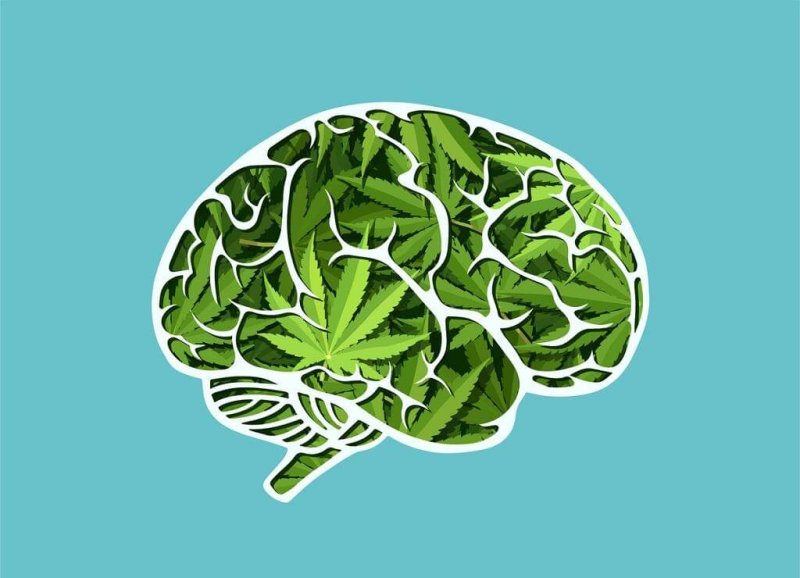
vpr vermont edition brain marijuana cannabis youth mental health istock feodora chiosea
Image: Vermont Public Radio

A major study has found little evidence that cannabis helps with depression, anxiety and other mental health conditions, despite growing claims that the drug is a useful treatment.

Wayne Hall at the University of Queensland, Australia, and his colleagues evaluated all the published and unpublished research between 1980 and 2018 on the use of cannabinoids to treat depression, anxiety, post-traumatic stress disorder and psychosis. They also included studies on the use of cannabinoids to treat symptoms of attention deficit hyperactivity disorder and Tourette syndrome.

Of the 83 studies, which included a total of 3000 participants, only 40 were randomised controlled trials, the gold standard for medical evidence.

They found little evidence that medicinal cannabinoids helped to treat either the overall disorders or their individual symptoms. In one study of 24 people, THC actually made symptoms of psychosis worse.

“The popular media has been remarkably uncritical of the claims made for medical cannabis by the cannabis companies producing and marketing it,” says Hall. But the findings suggest that without high-quality evidence, treating mental disorders with cannabis isn’t justifiable.

Read full, original post: There is little evidence that cannabis helps mental health problems

{{ reviewsTotal }}{{ options.labels.singularReviewCountLabel }}
{{ reviewsTotal }}{{ options.labels.pluralReviewCountLabel }}
{{ options.labels.newReviewButton }}
{{ userData.canReview.message }}

Related Articles

Infographic: Global regulatory and health research agencies on whether glyphosate causes cancer

Infographic: Global regulatory and health research agencies on whether glyphosate causes cancer

Does glyphosate—the world's most heavily-used herbicide—pose serious harm to humans? Is it carcinogenic? Those issues are of both legal and ...

Most Popular

Screenshot 2026-05-26 at 10.15
Viewpoint: Double standard—Why does the wellness industry get a free pass while Big Healthcare is treated as morally suspect?
ChatGPT-Image-Jun-4-2026-01_27_58-PM
Viewpoint—N.A.D.+: Why Gwenyth Paltrow’s heralded anti-aging supplement doesn’t work
ChatGPT-Image-Mar-10-2026-01_39_01-PM
Viewpoint—“Miracle molecule” debunked: Why acemannan supplements don’t work
Screenshot 2025-07-30 at 10.48
Can gene editing eliminate Down syndrome? Scientists have done it in lab-grown cells
tick-DNA
GLP podcast: Spread meat allergy with gene-edited ticks? Bioethicists pose vile ‘thought experiment’
Screenshot-2026-06-03-at-1.24.46-PM
Challenging anti-GMO disinformation: Why genetically-tweaked crops offer bushels of benefits
ChatGPT-Image-Jun-4-2026-11_49_36-AM-2
‘You don’t understand Tolkien’: Skeptic Pope trolls tech giants about the exaggerated, risk-less benefits of AI
downsyndrome_compilation_MID_1
CRISPR breakthrough that can remove the chromosome responsible for Down syndrome raises ethical questions
Screenshot-2026-06-04-at-12.05.08-PM
Cases of brain inflammation surge as U.S. measles pandemic approaches 2000
ChatGPT-Image-May-26-2026-07_51_21-AM-2
Viewpoint: There are more than 1,000 chemicals in a cup of coffee—including many substances that can cause cancer. Why isn’t it banned?
ChatGPT Image May 26, 2026, 08_42_17 AM (1)
Viewpoint: Greenpeace and poison: How environmental advocacy groups rely on compliant (and often ignorant) journalists to spread disinformation and spark litigation

Sorry. No data so far.

glp menu logo outlined

Get news on human & agricultural genetics and biotechnology delivered to your inbox.