


New Scientist

Evolutionary quirk or survival instict? Why are we ticklish?
Only humans and our close relatives are known to engage in tickling behaviour, suggesting that it may have evolved in ...

mRNA Covid vaccines rejected as dangerous by RFK, Jr. shown to spark an immune response that could aid cancer survival
The mRNA covid-19 vaccines seem to have an unexpected benefit: extending the lives of people being treated for cancers by boosting the ...

‘Ultra-processed’ does not automatically equate to ‘unhealthy’
They have been called “poison”, “addictive” and “junk”, but however you describe ultra-processed foods (UPFs), it is clear they are the nutritional ...
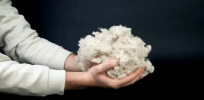
Turning the cotton industry sustainable: Using sweat potoato waste
Fabric made from waste potato plants could offer a more sustainable alternative to pure cotton, as pressure grows on the ...

Risky business: How human’s evolutionary response to danger has left all of us vulnerable
In The Gambling Animal: Humanity’s evolutionary winning streak – and how we risk it all, experimental economists Glenn Harrison and Don ...
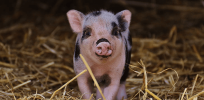
With the commercialization of a disease-resistant pig likely in 2025, gene editing poised to usher in a new era of biotech plants and animals
In the coming year, regulatory authorities in the US are expected to approve a pig gene-edited to make it resistant ...
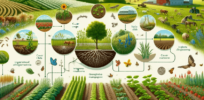
New Scientist viewpoint: We must use genetic technologies now to avert the coming food crisis
There are two monumental problems with the world’s food system. Firstly, hundreds of millions of people can’t afford to buy ...

5,000 years ago, European human populations plummeted in numbers. Could the plague be the culprit?
DNA evidence from tombs in Sweden and Denmark suggests major plague outbreaks were responsible for the Neolithic decline in northern ...

Butter substitute made from CO2? Carbon-capture technology could help us replace unsustainable palm oil
A new type of dietary fat that doesn’t require animals or large areas of land to produce could soon be ...
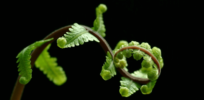
Tiny plant, huge genome: This fern has enough genetic data to fill 11,000 books
A fern found only on a few Pacific islands has more than 100 metres of DNA in every single cell, ...

Is the universe conscious? Similarities between brain and cosmos prompt “cosmopsychism” theory
Research has found the universe is similar in structure to the human brain. Does this mean the cosmos has a ...

Cement has major environmental impacts. This new process could provide plentiful, energy-efficient carbon-negative building materials
An abundant mineral called olivine can help make carbon-negative cement. This process could help tackle cement’s large carbon footprint – ...

How CRISPR gene drives could help eliminate pesticide-resistant ‘superweeds’
A gene drive – a bit of DNA that cheats evolution and can spread even if harmful – has been ...

Only cats and a few other animals purr. Here’s the science of how they do it
Scientists have struggled to understand how cats produce a low-pitched rumbling sound when they purr, but a new study sheds ...

1 in 3 children at risk: Lead exposure in childhood linked to committing crimes as adults, correlation study claims
Higher exposure to lead in childhood is associated with a greater likelihood of criminality, a review of 17 studies has ...
mRNA technology revolution: Battling sickle cell, aging and other tough-to-tackle diseases will soon be easier and cheaper
A technique for delivering mRNAs to blood stem cells should enable better and cheaper treatments for conditions from sickle cell ...

Next gut health trend? You’ve heard of prebiotics — but what are postbiotics?
Postbiotics are the newest gut health trend promising to improve our skin, boost our strength and even reverse signs of ...

As plants fight each other for access to sunlight, shorter crops with ‘unselfish’ genes could be more productive
Identifying genes that make plants “cooperate” with their neighbours rather than compete with them could enable breeders to develop more ...
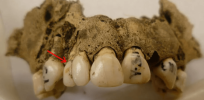
Plaque on our teeth reveals secrets of our ancient ancestors
Plaque fossilises while we are still alive. Now, dental calculus is giving up the secrets of our ancient ancestors, from ...

‘Mind-controlled wheelchairs’: Helping paralyzed people navigate the world with just their thoughts
Three people with paralysis of all four limbs used their thoughts to steer a wheelchair through a cluttered room with ...

Drilling down on the roots of chronic fatigue syndrome? 200 genetic variants now linked to the disorder
Scientists have discovered possible genetic risk factors involved in chronic fatigue syndrome (CFS), also known as myalgic encephalomyelitis (ME). ME/CFS ...

Why ‘superagers’ retain ‘super memories’ well into their 80s
“Superagers” – people aged 80 or over with exceptionally good memories – may have larger than expected neurons in a ...

The gene-edited CRISPR twins are growing up — raising questions about the ethics of continuing to study them
More than a billion people live in China, but researchers in the country have proposed the creation of a healthcare ...

Rwanda uses biotech potato variety to fight same blight that caused Irish Potato Famine — saving 80% of potatoes
Late blight, a potentially devastating disease affecting potatoes and tomatoes, infecting leaves, stems, potato tubers and tomato fruits, spreads quickly ...
A single mutation in one human gene contributes to why humans are so cancer-prone. What was the evolutionary trade-off?
A tiny change in our DNA that occurred after we evolved away from other primates has made us more prone ...

Purple tomatoes? Superfood genetically engineered tomato rich in antioxidants nearing United States rollout
The purple tomato was created by Cathie Martin at the John Innes Centre in the UK. In 2008, her team reported that ...

Homo bodoensis: New ancient human species might have been identified — but not all experts agree
A new species of extinct human has been named: Homo bodoensis. The species hasn’t been identified based on new fossils, ...

UK relaxing restrictions on testing CRISPR gene-edited crops
Law changes later this year will make it easier to run field trials in England on crops that are gene-edited ...
