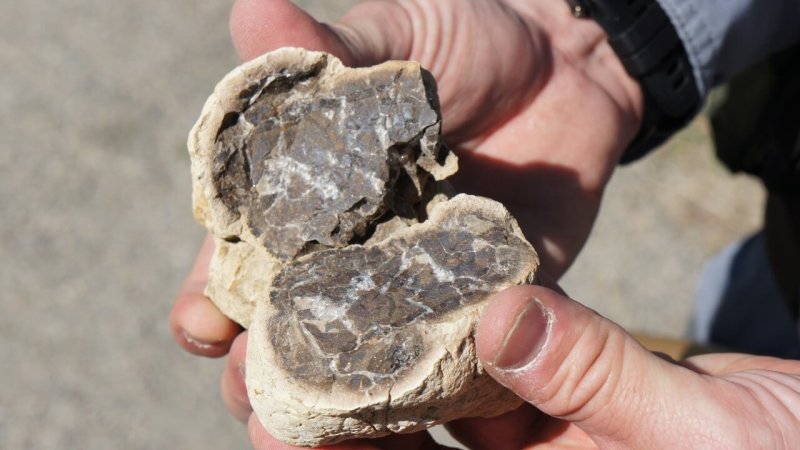
After an asteroid crashed into what is now Chicxulub, Mexico 66 million years ago, a chain of events occurred that caused dinosaurs to disappear and mammals to flourish. But figuring out exactly what happened after this event, known as the Cretaceous-Paleogene (K-Pg) mass extinction event, has been tricky due to a sparse fossil record. [October 24], a team of researchers published a paper in Science detailing their 2016 discovery of a trove of plant and mammal fossils that sheds light on how ecosystems recovered after the asteroid impact.
The researchers, led by vertebrate paleontologist Tyler Lyson at the Denver Museum of Nature and Science, have found over 1,000 vertebrate fossils, including 16 mammal species at the Corral Bluffs fossil site, located near Colorado Springs.
…

The researchers found that plants and animals rebounded faster than previously thought, and that when ferns were replaced by palm forests, the variety of plants also sparked diversification of mammals from small rat-sized animals to larger ones. By 700,000 years after the extinction event, some mammals were 100 times bigger than ones that had lived through the asteroid impact.
Read full, original post: Trove of Fossils Shows Mammal Evolution after Dino Extinction