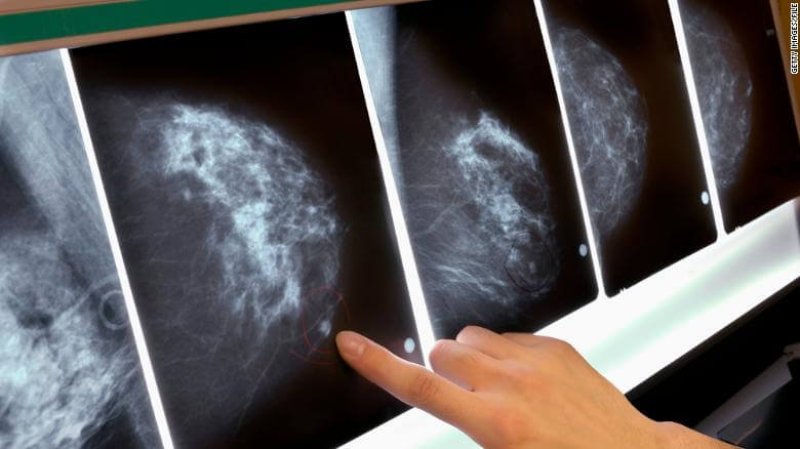
These days, it might seem like algorithms are out-diagnosing doctors at every turn, identifying dangerous lesions and dodgy moles with the unerring consistency only a machine can muster. Just this month, Google generated a wave of headlines with a study showing that its AI systems can spot breast cancer in mammograms more accurately than doctors.
But for many in health care, what studies like these demonstrate is not just the promise of AI, but also its potential threat. They say that for all of the obvious abilities of algorithms to crunch data, the subtle, judgment-based skills of nurses and doctors are not so easily digitized. And in some areas where tech companies are pushing medical AI, this technology could exacerbate existing problems.
For Google’s mammogram paper, the main criticism is that the company is attempting to automate a process that’s already somewhat controversial. As Christie Aschwanden pointed out in Wired earlier this month, doctors have argued for years that early scans for breast cancer might harm as much as they help, and the introduction of AI could tip the balance.
…

If there is one consistent theme to be found in the borderlands of AI and medicine, it’s that problems are just not as simple as they first seem.