Can we trust coronavirus antibody tests never reviewed by the FDA?

istock bloodtest
Credit: iStock

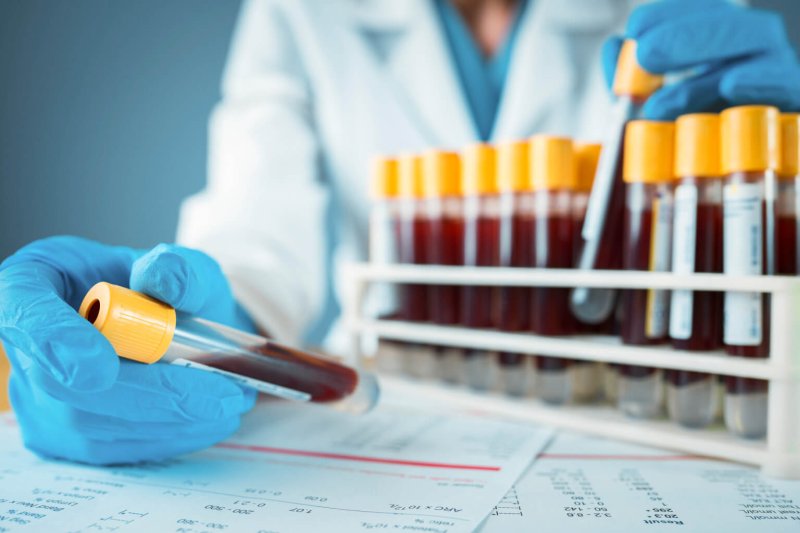
The Food and Drug Administration, criticized for slowness in authorizing tests to detect coronavirus infections, has taken a strikingly different approach to antibody tests, allowing more than 90 on the market without prior review, including some marketed fraudulently and of dubious quality, according to testing experts and the agency itself.

Antibody, or serological, tests are designed to identify people who may have overcome covid-19, including those who had no symptoms, and developed an immune response. They are not designed to detect active infections. Some officials tout the blood tests as a way to reopen the economy by identifying individuals who have developed immunity and can safely return to work. But many scientists, as well as the World Health Organization, say evidence is lacking that even high-quality antibody tests can prove someone has immunity from the novel coronavirus and is not at risk of being reinfected.

The emergence of dozens of tests never reviewed by the FDA … could confuse doctors, hospitals, employers and consumers clamoring for the products, according to critics who say the agency’s oversight of the tests has been lax. The questions are taking on special importance as federal and state officials debate strategies, including using serological testing, to help determine when they can end state and local lockdowns.


Read the original post

{{ reviewsTotal }}{{ options.labels.singularReviewCountLabel }}
{{ reviewsTotal }}{{ options.labels.pluralReviewCountLabel }}
{{ options.labels.newReviewButton }}
{{ userData.canReview.message }}

Related Articles

Infographic: Global regulatory and health research agencies on whether glyphosate causes cancer

Infographic: Global regulatory and health research agencies on whether glyphosate causes cancer

Does glyphosate—the world's most heavily-used herbicide—pose serious harm to humans? Is it carcinogenic? Those issues are of both legal and ...

Most Popular

Screenshot-2026-05-01-at-1.29.41-PM
Viewpoint: What happens when whole grains meet modern food manufacturing? Labels don’t tell the whole story.
S
As vaccine rejectionism spreads, measles may be taking a more dangerous turn
ChatGPT-Image-Mar-27-2026-11_47_30-AM-2
FDA’s expedited drug reviews are hailed in some quarters but other approval practices are problematic
Screenshot 2026-05-06 at 2.56
Singularity crisis ahead? Can super babies save us from rogue AI geniuses?
Screenshot-2026-04-20-at-2.26.27-PM
Viewpoint — Food-fear world: The latest activist scientists campaign: Cancer-causing additives
Farmers can talk to plants
Farmers are a major source of misinformation—about farming
Screenshot-2026-05-06-at-2.07.43-PM
Manufacturing a conspiracy: The timeline of how  the White House embraced the fringe claim that scientists are being mysteriously murdered
Screenshot-2026-04-30-at-2.19.37-PM
5 myths about summer dehydration that could damage your health — or even kill you
Screenshot-2026-03-13-at-12.14.04-PM
The FDA wants to make many popular prescription drugs OTC—a great idea. Here’s why it’s unlikely to happen
Screenshot 2026-05-06 at 2.19
Vaccine shootout at the CDC 
Screenshot-2026-04-03-at-11.15.51-AM
Paraben panic: How a flawed study, media hype, and chemophobia convinced the public of the danger of one of the safest classes of preservatives
glp menu logo outlined

Get news on human & agricultural genetics and biotechnology delivered to your inbox.