‘High-stakes information battle’ brewing over which coronavirus experts to trust

n j shtmi venlzzbzvjohye
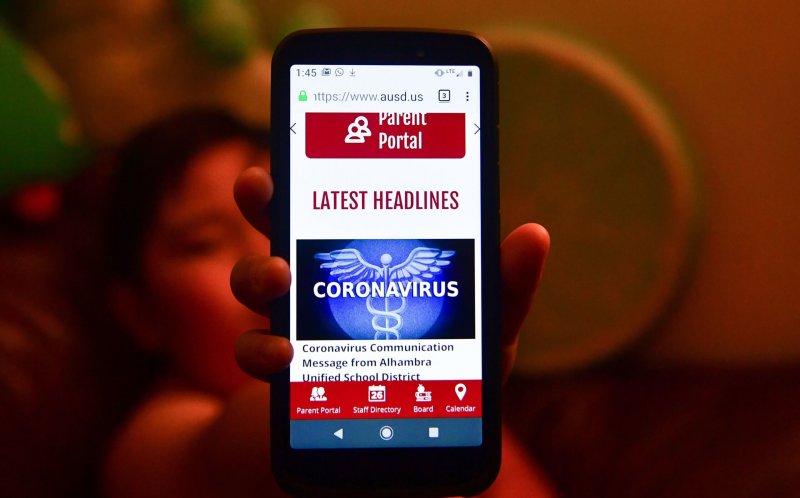
Credit: Frederic J. Brown/AFP

Determining who is an authoritative figure worth amplifying is more challenging than ever. Curated, personalized feeds enable bespoke realities. Trump supporters trust Fox News or One America News Network, while liberals follow a very different set of trusted sources. 

….

Why were social-media companies elevating the WHO and the CDC when some of their information turned out to be incorrect? And if agencies like these were wrong about COVID-19, what else were the so-called experts wrong about?

….

The world is on the cusp of another high-stakes information battle: the one that will take shape surrounding the drug treatments and vaccines developed for COVID-19 over the next year. The consensus of the most liked would have us believe that Bill Gates and Anthony Fauci are preparing to track us all by microchip; countering those narratives as they continue to take hold, mutating slightly to appeal to specific online subcultures, will not be easy. 

Facebook, Twitter, and YouTube bear significant responsibility for the information environment for which they are hosts, curators, and amplifiers. But they can only do so much. If institutions and authority figures don’t adapt to the content and conversation dynamics of the day, other things will fill the void. The time for institutions and authorities to begin communicating transparently is before wild speculation goes viral. Preventing epidemics of misinformation from spreading is easier than curing them once they’ve taken hold.


Read the original post

{{ reviewsTotal }}{{ options.labels.singularReviewCountLabel }}
{{ reviewsTotal }}{{ options.labels.pluralReviewCountLabel }}
{{ options.labels.newReviewButton }}
{{ userData.canReview.message }}

Related Articles

Infographic: Global regulatory and health research agencies on whether glyphosate causes cancer

Infographic: Global regulatory and health research agencies on whether glyphosate causes cancer

Does glyphosate—the world's most heavily-used herbicide—pose serious harm to humans? Is it carcinogenic? Those issues are of both legal and ...

Most Popular

Screenshot-2026-05-01-at-1.29.41-PM
Viewpoint: What happens when whole grains meet modern food manufacturing? Labels don’t tell the whole story.
S
As vaccine rejectionism spreads, measles may be taking a more dangerous turn
Screenshot 2026-05-06 at 2.56
Singularity crisis ahead? Can super babies save us from rogue AI geniuses?
Screenshot-2026-05-06-at-2.07.43-PM
Manufacturing a conspiracy: The timeline of how  the White House embraced the fringe claim that scientists are being mysteriously murdered
Screenshot-2026-04-20-at-2.26.27-PM
Viewpoint — Food-fear world: The latest activist scientists campaign: Cancer-causing additives
Screenshot-2026-03-13-at-12.14.04-PM
The FDA wants to make many popular prescription drugs OTC—a great idea. Here’s why it’s unlikely to happen
Screenshot-2026-04-30-at-2.19.37-PM
5 myths about summer dehydration that could damage your health — or even kill you
ChatGPT-Image-May-6-2026-03_41_05-PM
‘Protecting the integrity of science’: Kennedy’s FDA blocks release of taxpayer-funded studies finding COVID and shingles vaccines safe
Screenshot-2026-05-01-at-11.56.24-AM
‘Science moves forward when people are willing to think differently’: Memories of DNA maverick Craig Venter
Screenshot 2026-05-06 at 12.49
Immortal dragons: The quest to ‘make death optional’
79d03212-2508-45d0-b427-8e9743ff6432
Viewpoint: The Casey Means hustle—Wellness woo opportunism dressed up as medical wisdom
glp menu logo outlined

Get news on human & agricultural genetics and biotechnology delivered to your inbox.