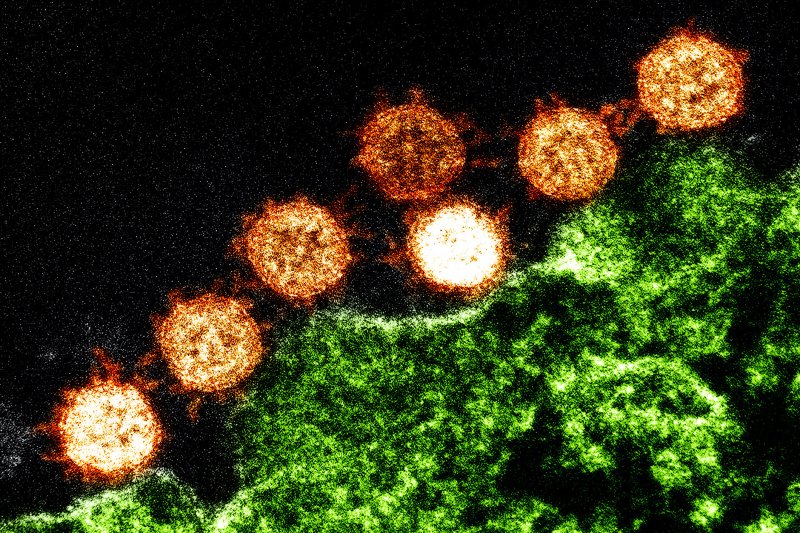
On January 9 of this year, Chinese state media reported that a team of researchers led by Xu Jianguo had identified the pathogen behind a mysterious outbreak of pneumonia in Wuhan as a novel coronavirus. Although the virus was soon after named 2019-nCoV, and then renamed SARS-CoV-2, it remains commonly known simply as the coronavirus. While that moniker has been catapulted into the stratosphere of public attention, it’s somewhat misleading: Not only is it one of many coronaviruses out there, but you’ve almost certainly been infected with members of the family long before SARS-CoV-2’s emergence in late 2019.
…
Until the emergence of SARS-CoV-2, human coronaviruses that have made the news have been both far more deadly and far more contained than their cold-causing counterparts. No cases of SARS have been detected since 2004, and Middle East respiratory syndrome coronavirus (MERS-CoV), first found in a patient in Saudi Arabia in 2012, has caused fewer than 2,500 confirmed cases worldwide, according to the World Health Organization—but it kills about 35 percent of people with confirmed diagnoses. SARS-CoV-2, which, as its name suggests, is closely related to SARS-CoV, appears to be far more transmissible, and its mortality rate has so far proven difficult to nail down, but many estimates land at around 1 percent.