Polio vaccines are inexpensive, easily available, already approved—and they might work wonders against COVID-19

x
Credit: Ezra Ecayan

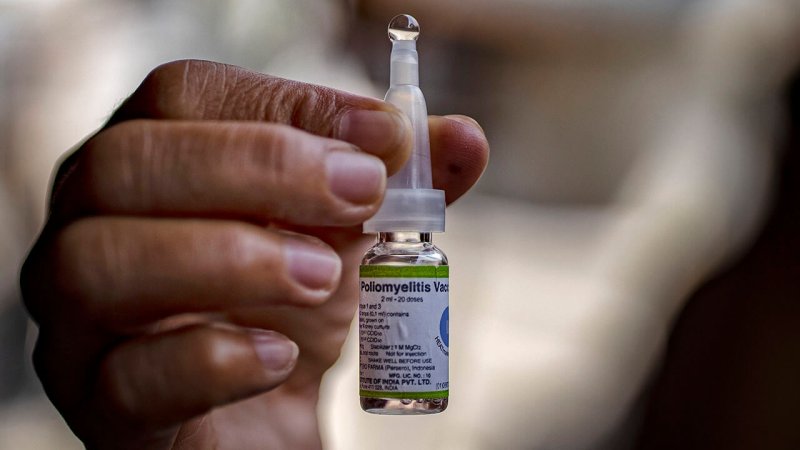
Recent reports indicate that COVID-19 may result in suppressed innate immune responses. Therefore, stimulation by live attenuated vaccines [such as the polio vaccine] could increase resistance to infection by the causal virus, severe acute respiratory syndrome–coronavirus 2 (SARS-CoV-2). Clinical studies of this hypothesis could begin immediately. [Tuberculosis vaccine] trials have already been initiated by immunizing frontline health care workers. The endpoint of these trials is the difference in COVID-19 incidence, duration, and severity between immunized and unimmunized populations.

We propose the use of OPV to ameliorate or prevent COVID-19. Both poliovirus and coronavirus are positive-strand RNA viruses; therefore, it is likely that they may induce and be affected by common innate immunity mechanisms. There are multiple important advantages to using OPV: a strong safety record, the existence of more than one serotype that could be used sequentially to prolong protection, low cost, ease of administration, and availability. Over 1 billion doses of OPV are produced and used annually in more than 140 countries. Although the supply of BCG is limited, a small fraction of OPV intended for the suspended polio eradication campaign would be sufficient for the clinical trials, and provided a positive outcome, production could likely be scaled up quickly.

If proven to be effective against COVID-19, emergency immunization with live attenuated vaccines could be used for protection against other unrelated emerging pathogens.


Read the original post

{{ reviewsTotal }}{{ options.labels.singularReviewCountLabel }}
{{ reviewsTotal }}{{ options.labels.pluralReviewCountLabel }}
{{ options.labels.newReviewButton }}
{{ userData.canReview.message }}

Related Articles

Infographic: Global regulatory and health research agencies on whether glyphosate causes cancer

Infographic: Global regulatory and health research agencies on whether glyphosate causes cancer

Does glyphosate—the world's most heavily-used herbicide—pose serious harm to humans? Is it carcinogenic? Those issues are of both legal and ...

Most Popular

Screenshot-2026-04-22-at-12.21.32-PM
Viewpoint: Why the retracted Monsanto glyphosate study doesn’t change the science—the world’s most popular herbicide is safe 
Picture1
The FDA couldn’t find a vaccine safety crisis, so it buried its own research
ChatGPT-Image-May-1-2026-11_42_59-AM-2
Viewpoint: NAD is the wellness grifters latest evidence-lite longevity fad. At least the mice are impressed.
ChatGPT-Image-Apr-16-2026-02_56_53-PM
Financial incentives, over diagnosis, and weak oversight: Autism claims are driving up Medicare costs
global warming
‘Implausible’: Top climate scientists reject worst-case scenario—soaring temperatures and fast-rising sea levels
ChatGPT-Image-May-12-2026-11_27_01-AM-2
AI likely to improve health care, research shows—but not for blacks and ethnic minorities
ChatGPT-Image-May-7-2026-01_23_27-PM-2
Viewpoint: Will AI democratize personalized cancer treatment or fuel medical misinformation?
vax-misinformation-main
Facts & Fallacies Podcast: Limit free speech to blunt social media misinfo?

Sorry. No data so far.

glp menu logo outlined

Get news on human & agricultural genetics and biotechnology delivered to your inbox.