Bayer settles estimated 95,000 glyphosate weedkiller-cancer lawsuits with 25 firms for more than $10 billion, admits no wrongdoing

monsantolaw
Credit: Jersey City

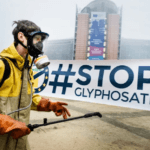
Bayer, the world’s largest seed and pesticide maker, has agreed to pay more than $10 billion to settle tens of thousands of claims in the United States that its popular weedkiller Roundup causes cancer, the company said [June 24].

The settlement, which covers an estimated 95,000 cases, was extraordinarily complex because it includes separate agreements with 25 lead law firms whose clients will receive varying amounts.

Most of the lawsuits filed early on were brought by homeowners and groundskeepers, although they account for only a tiny portion of Roundup’s sales. Farmers are the biggest customers …. Bayer still faces at least 25,000 claims from plaintiffs who have not agreed to be part of the settlement.

Bayer said the amount set aside to settle current litigation was $8.8 billion to $9.6 billion, including a cushion to cover claims not yet resolved. It said the settlement included no admission of liability or wrongdoing.

Part of the $1.25 billion will be used to establish an independent expert panel to resolve two critical questions about glyphosate: Does it cause cancer, and if so, what is the minimum dosage or exposure level that is dangerous?

If the panel concludes that glyphosate is a carcinogen, Bayer will not be able to argue otherwise in future cases — and if the experts reach the opposite conclusion, the class action’s lawyers will be similarly bound.


Read the original post

{{ reviewsTotal }}{{ options.labels.singularReviewCountLabel }}
{{ reviewsTotal }}{{ options.labels.pluralReviewCountLabel }}
{{ options.labels.newReviewButton }}
{{ userData.canReview.message }}

Related Articles

Infographic: Global regulatory and health research agencies on whether glyphosate causes cancer

Infographic: Global regulatory and health research agencies on whether glyphosate causes cancer

Does glyphosate—the world's most heavily-used herbicide—pose serious harm to humans? Is it carcinogenic? Those issues are of both legal and ...

Most Popular

Screenshot-2026-04-22-at-12.21.32-PM
Viewpoint: Why the retracted Monsanto glyphosate study doesn’t change the science—the world’s most popular herbicide is safe 
Picture1
The FDA couldn’t find a vaccine safety crisis, so it buried its own research
ChatGPT-Image-May-1-2026-11_42_59-AM-2
Viewpoint: NAD is the wellness grifters latest evidence-lite longevity fad. At least the mice are impressed.
ChatGPT-Image-Apr-16-2026-02_56_53-PM
Financial incentives, over diagnosis, and weak oversight: Autism claims are driving up Medicare costs
ChatGPT-Image-May-12-2026-11_27_01-AM-2
AI likely to improve health care, research shows—but not for blacks and ethnic minorities
ChatGPT-Image-May-7-2026-01_23_27-PM-2
Viewpoint: Will AI democratize personalized cancer treatment or fuel medical misinformation?
vax-misinformation-main
Facts & Fallacies Podcast: Limit free speech to blunt social media misinfo?

Sorry. No data so far.

glp menu logo outlined

Get news on human & agricultural genetics and biotechnology delivered to your inbox.