How biotech-wary regenerative agriculture movement can benefit from CRISPR gene editing

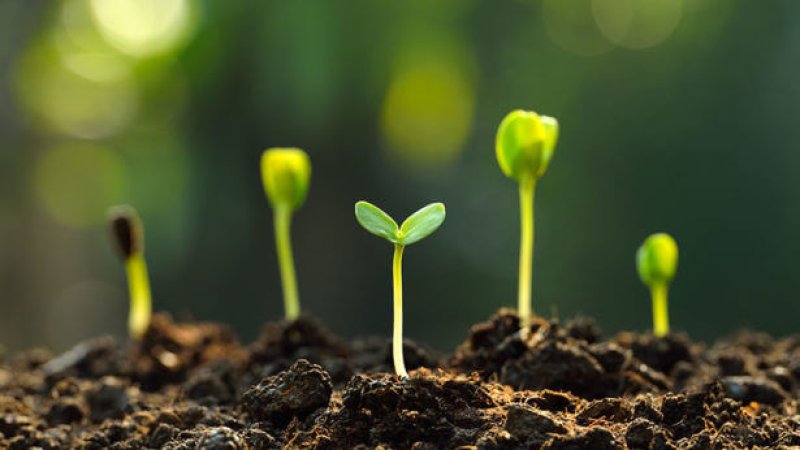
soil
Credit: Nature Institute

The link between biotech and conventional farming will no doubt cause many regenerative agriculture purists to balk at the idea of these tools being applicable to their innately more diversified and often chemical-free approach. But bearing in mind the question marks around its scalability, could genetic technologies be a useful tool in the regenerative agriculture toolbox too?

At least one innovator thinks so.

Oliver Peoples is CEO of Yield10 Bioscience a gene-editing startup that started looking at camelina as an alternative to wheat for growers in the Pacific Northwest and Saskatchewan areas.

“Biotech is one very important piece of the larger solution for developing regenerative agriculture which allows farmers to increase revenue. Biotech, and genome editing tools like CRISPR can accelerate the breeding of new crops and crop varieties, which create new markets and make farming practices more sustainable by emphasizing traits that boost yield, nutrition, composition,” Peoples explains.

“As COVID 19 is reminding us we need to develop technology solutions at an accelerated pace so farmers adjust to climate change, soil degradation, and new pests. Genetic engineering tools including CRISPR will help us create crops that are resilient, higher-yielding, and healthier using the resources that we have. Ultimately, this will keep us on target to meet sustainable food security demands for the growing population.”


Read the original post

{{ reviewsTotal }}{{ options.labels.singularReviewCountLabel }}
{{ reviewsTotal }}{{ options.labels.pluralReviewCountLabel }}
{{ options.labels.newReviewButton }}
{{ userData.canReview.message }}

Related Articles

Infographic: Global regulatory and health research agencies on whether glyphosate causes cancer

Infographic: Global regulatory and health research agencies on whether glyphosate causes cancer

Does glyphosate—the world's most heavily-used herbicide—pose serious harm to humans? Is it carcinogenic? Those issues are of both legal and ...

Most Popular

Screenshot-2026-05-01-at-1.29.41-PM
Viewpoint: What happens when whole grains meet modern food manufacturing? Labels don’t tell the whole story.
S
As vaccine rejectionism spreads, measles may be taking a more dangerous turn
Screenshot 2026-05-06 at 2.56
Singularity crisis ahead? Can super babies save us from rogue AI geniuses?
Screenshot-2026-05-06-at-2.07.43-PM
Manufacturing a conspiracy: The timeline of how  the White House embraced the fringe claim that scientists are being mysteriously murdered
Screenshot-2026-04-20-at-2.26.27-PM
Viewpoint — Food-fear world: The latest activist scientists campaign: Cancer-causing additives
Screenshot-2026-04-30-at-2.19.37-PM
5 myths about summer dehydration that could damage your health — or even kill you
Screenshot-2026-03-13-at-12.14.04-PM
The FDA wants to make many popular prescription drugs OTC—a great idea. Here’s why it’s unlikely to happen
ChatGPT-Image-May-6-2026-03_41_05-PM
‘Protecting the integrity of science’: Kennedy’s FDA blocks release of taxpayer-funded studies finding COVID and shingles vaccines safe
Screenshot-2026-04-12-135256
Bixonimania: The fake disease scam that AI swallowed whole
Screenshot-2026-05-01-at-11.56.24-AM
‘Science moves forward when people are willing to think differently’: Memories of DNA maverick Craig Venter
Screenshot 2026-05-06 at 12.49
Immortal dragons: The quest to ‘make death optional’
glp menu logo outlined

Get news on human & agricultural genetics and biotechnology delivered to your inbox.