Food from thin air: Turning CO2 into protein could provide sustainable food source

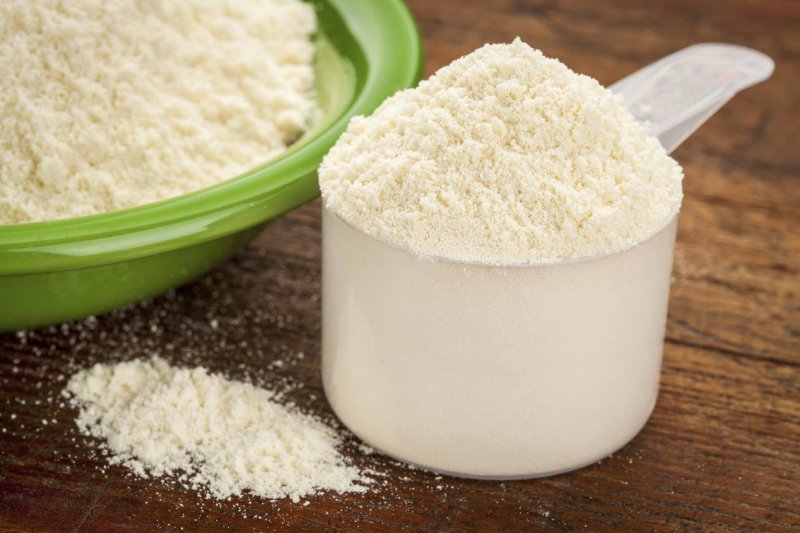
whey protein
Credit: NaturalHealth365

Bacteria could feed the world. While some bacteria turn CO2 into valuable fuels, other bacteria – called ‘hydrogenotrophs’ – can transform CO2 into proteins suitable for human consumption.

In a sense, this shouldn’t come as a great surprise. The plants we eat, or that we feed to livestock, grow because they take energy from the Sun and use it to convert CO2 into carbohydrates. Strictly speaking, plants didn’t evolve this ability to transform CO2 into food: they gained the skill by incorporating photosynthetic bacteria into their cells.

Solar panels are more effective than photosynthetic organisms at capturing solar energy, and this raises an intriguing possibility. If we can take solar electricity and use it to help bacteria build protein from CO2, we could grow food more efficiently than ever before.

Solar Foods, a Finnish start-up, is one of several companies aiming to commercialism this non-photosynthetic food. Dr Pasi Vainikka, the company’s CEO, says the approach involves using power from solar panels to break down water molecules and generate hydrogen gas.
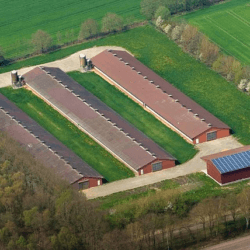
Solar Foods then feeds the hydrogen to bacteria growing in a fermenter – for commercial reasons Vainikka prefers not to reveal exactly what species of hydrogenotroph this is. The microbes use this hydrogen as an energy source to turn atmospheric CO2 into high-quality protein that could replace animal proteins in our diet.


Read the original post

{{ reviewsTotal }}{{ options.labels.singularReviewCountLabel }}
{{ reviewsTotal }}{{ options.labels.pluralReviewCountLabel }}
{{ options.labels.noReviewsLabel }}
{{ options.labels.newReviewButton }}
{{ userData.canReview.message }}

Related Articles

Infographic: Global regulatory and health research agencies on whether glyphosate causes cancer

Infographic: Global regulatory and health research agencies on whether glyphosate causes cancer

Does glyphosate—the world's most heavily-used herbicide—pose serious harm to humans? Is it carcinogenic? Those issues are of both legal and ...

Most Popular

ChatGPT-Image-Mar-10-2026-01_39_01-PM
Viewpoint—“Miracle molecule” debunked: Why acemannan supplements don’t work
Screenshot 2026-07-11 094410
Growing animal muscle and fat cells inside rice grains and calling it beef: One of numerous genetically engineered products shaking up our ecosystem
Screenshot 2025-09-17 at 12.41
Misinformation alert: No, glyphosate use in Canadian forests is not spurring more wildfires
ChatGPT-Image-Jun-25-2026-12_23_17-PM
No, Bill Gates did not secretly engineer ticks to promote veganism
Screenshot 2026-07-16 at 8.49
Pete Hegseth’s bizarre Viagra commercial as Trump administration endorses ‘hormone replacement therapy’
file-f-d-d-
Facts & Fallacies Podcast: Europe's AC debacle underscores fatal flaw in green activism
Screenshot-2026-07-16-at-11.32.12-AM
Viewpoint: Trump appoints climate change hoax promoter to head influential government policy project
ChatGPT-Image-Jul-9-2026-02_39_22-PM
Viewpoint: Polyphenols or NAD+ supplements to combat aging: No, Gwenyth Paltrow and followers, don’t waste your money.

Sorry. No data so far.

glp menu logo outlined

Get news on human & agricultural genetics and biotechnology delivered to your inbox.