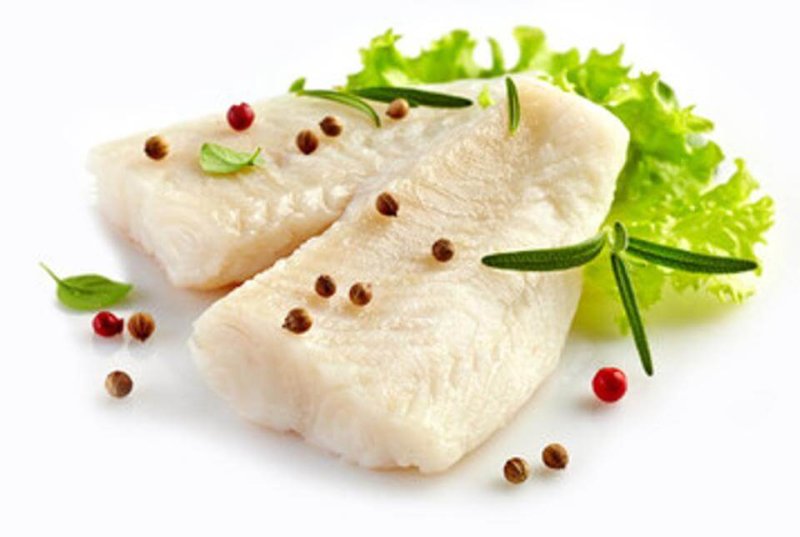
Consumers are as open to seafood labeled ‘cell based’ as they are to ‘wild caught’ and ‘farm raised’

x

The research found common names using the word cell — including cell-based and cultivated from the cells of — did the best in communicating to consumers that the product was created in a different way than today’s farm-raised or wild-caught seafood. More than half of consumers identified these products as produced in a different way. However, many thought that terms similar to those used in conventional farming — “cultivated” and “produced by cellular aquaculture” — actually meant the seafood was farm-raised.

For many of the terms, consumers had a slightly positive reaction and said the seafood would be moderately nutritious. The study found consumers would be equally interested in tasting seafood labeled as wild-caught, farm-raised, cell-based and produced by cellular aquaculture. Consumers also were equally likely to purchase seafood labeled as wild-caught, farm-raised, cell-based, cultivated, cultured and produced by cellular aquaculture.

Because of the lack of confusion and slightly more favorable scores, [Rutgers University professor William Hallman] said cell-based is the best term for this kind of seafood, though cell-cultured is another option. He plans to do a wider study to determine preference between those two terms.

Cell-based and cell-cultured have become the most common ways to refer to any sort of animal meat made this way, so it is not surprising that the results came out this way. However, Hallman cautioned these particular results only pertain to seafood.


Read the original post

{{ reviewsTotal }}{{ options.labels.singularReviewCountLabel }}
{{ reviewsTotal }}{{ options.labels.pluralReviewCountLabel }}
{{ options.labels.newReviewButton }}
{{ userData.canReview.message }}

Related Articles

Infographic: Global regulatory and health research agencies on whether glyphosate causes cancer

Infographic: Global regulatory and health research agencies on whether glyphosate causes cancer

Does glyphosate—the world's most heavily-used herbicide—pose serious harm to humans? Is it carcinogenic? Those issues are of both legal and ...

Most Popular

ChatGPT-Image-May-7-2026-12_32_36-PM
Viewpoint: The state of U.S. vaccine policy? Dismal nationally, but some states are stepping up.
Screenshot-2026-04-22-at-10.46.29-AM
Viewpoint: How to counter science disinformation? Science journalist offers 12 practical tips
Screenshot-2026-04-13-at-1.39.26-PM
Viewpoint: ‘Safer for children?’ Stonyfield yogurt under fire for deceptive organic marketing
the magic of mRNA
Viewpoint: Anti-vax fake ‘turbo cancer’ claims threaten cancer treatment breakthroughs
ChatGPT-Image-May-7-2026-12_16_37-PM-2
Viewpoint: Are cancer rates ‘skyrocketing’ as RFK, Jr. and MAHA claim? The evidence says mostly the opposite
ChatGPT-Image-May-7-2026-01_23_27-PM-2
Viewpoint: Will AI democratize personalized cancer treatment or fuel medical misinformation?
artificial intelligence brain think illustration md
Viewpoint — Digital gods and human extinction: Will we be the first species ever to design our own descendants?
Defense_Secretary_Ash_Carter_tours_the_Microsoft_Cybercrime_Center_in_Seattle_March_3_2016
How criminals are using AI to target social media users and steal their money and confidential data
Picture1-1
Cooling the planet with balloons: Could a geoengineering gamble slow global warming?
RFKjr-Tech-Vax-Misinfo
As U.S. officials spread medical misinformation, scientists fact check online
Screenshot-2026-04-23-at-11.00.36-AM
Regulators' dilemma: Thalidomide, Metformin, and the cost of getting drug approvals wrong
ChatGPT Image May 12, 2026, 01_21_30 PM
How big health brands are funding online medical misinformation 
glp menu logo outlined

Get news on human & agricultural genetics and biotechnology delivered to your inbox.