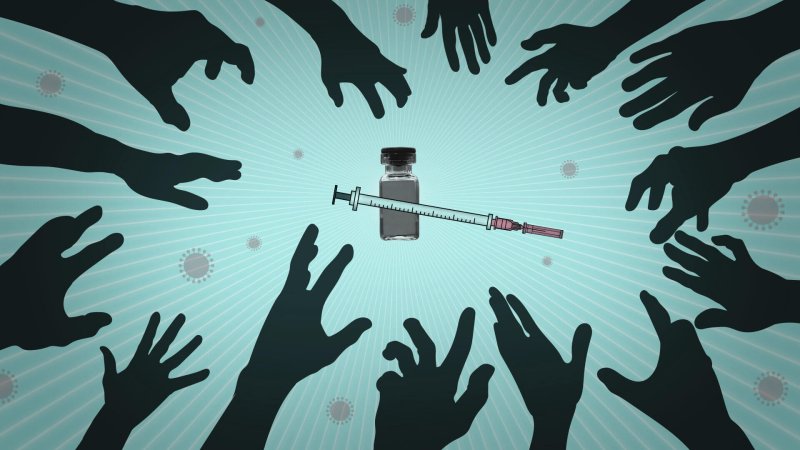
Someone will have to decide which of the world’s 7.8 billion people gets first crack at returning to a more normal life. Infectious disease experts and medical ethicists say this exceptionally complex decision must weigh not only who is most at risk from the virus and who is most likely to spread it, but also who is most important for maintaining the medical and financial health of a nation as well as its safety.
…
“This is going to be controversial,” [bioethicist Arthur Caplan] said. “Not everybody is going to like the answer.” Caplan favors an independent commission that includes both scientists and representatives of affected communities, such as people with disabilities and children. Whoever makes the decisions, he said, “it’s got to be trustworthy.”
…
John Zurlo, an infectious diseases doctor at Jefferson Health, said he would prioritize health care workers most likely to have direct contact with COVID-19 patients and people who live in settings like nursing homes and assisted-living facilities. Low-wage workers with a lot of exposure to the public would also be high on his list.

Caplan said we can assume that not everyone will follow the rules. There will inevitably be a black market. “There will be people buying access,” he said. “This is America.”
It’s a safe bet that no one, save possibly those critical health care workers, will be completely satisfied with the eventual rationing scheme.