
For untreatable diseases, should you consider unapproved stem cell therapy?

gettyimages custom e d b f eade e d d b f d d s c
Credit: Patrick T. Fallon/Washington Post/Getty Images

Regenerative medicine is a controversial field, still in its infancy. There are academic researchers and major biotech companies testing key treatments in high-profile, vetted clinical trials — but there are also fringe clinics promising stem cell injections that can cure everything from Alzheimer’s disease to cerebral palsy, though they have no evidence to back up those claims.

Sketchy clinics pull people in with big promises and slick advertising — anecdotal testimonials posted in online videos on blogs or social media. But some also mimic more reputable scientific endeavors by posting their work on ClinicalTrials.gov — a federal repository that doesn’t always vet postings to ensure their protocols meet federal standards.

“It’s completely impossible for individual patients, even individual physicians, to evaluate the evidence underlying every therapy that’s out there and to make an informed decision,” said [UT Southwestern’s] Sean Morrison.

Mis- and disinformation are distorting science and public policy. Subscribe to our Daily and Weekly Digests for incisive coverage of ‘disruptive’ innovations in AI, agricultural biotechnology, food, chemicals, nuclear energy, vaccines, and other disruptive innovations.

The Wild West of information has spawned a side project for many in the space: trying, desperately, to correct the record and help patients make good decisions. Some are simply volunteering their time and expertise to help sort out the science. Others are institutions that offer more legitimate treatments, like the Mayo Clinic, or that fund clinical trials in the area, like the California Institute for Regenerative Medicine.
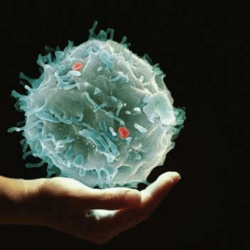

Experts warn, however, that far more work is needed to help patients sort through the science — particularly since sketchy stem cell clinics can be dangerous.


Read the original post

Related Articles

Infographic: Global regulatory and health research agencies on whether glyphosate causes cancer

Infographic: Global regulatory and health research agencies on whether glyphosate causes cancer

Does glyphosate—the world's most heavily-used herbicide—pose serious harm to humans? Is it carcinogenic? Those issues are of both legal and ...

Most Popular

ChatGPT-Image-Mar-10-2026-01_39_01-PM
Viewpoint—“Miracle molecule” debunked: Why acemannan supplements don’t work
Screenshot-2026-11-24-at-11.07.44-AM
Here's a sure way to increase testosterone levels and jack up your sex drive
Glassy Molecules Above Floral Pads
Viewpoint: ‘Forever' PFAS chemicals in panty liners? The only ‘forever’ truth is endless lawsuits that do not protect women’s health 
Screenshot 2026-11-23 at 11.51
Calley Means’ demonization of glyphosate is ‘just craziness’. Farmers are responding with science.
PFAS Molecules and Hazard Icons
Viewpoint: $$$ Billions of reasons why environmental activists are trying to slap a ‘killer PFAS’ label on many safe and essential ‘forever chemicals’
Weed Killer, Gavel, and Cash on Wood Table
Who were the biggest winners in Bayer’s $7.25 billion glyphosate settlement? The tort lawyers, natch
Screenshot-2026-11-16-at-2.37.32-PM
30 years of GMO farming: Is the boom in glyphosate and glufosinate use harming the environment? Data show they’re the most sustainable choice
Pastel Breakfast Pedestals with Yogurt Bowl
RFK Jr. is about to issue an edict defining ultra-processed foods. What could go wrong?
glp menu logo outlined

Get news on human & agricultural genetics and biotechnology delivered to your inbox.















