How do we know GM crops don’t harm people with food allergies?

food allergy vs intolerance

Genetically modified crops can offer a range of environmental and health benefits, such as reduced usage of chemical pesticides, improved farm efficiency and crop yields, and an enhanced nutritional profile. Despite this, fears surrounding genetic modification have led to a lack of acceptance of these foods by many consumers, regulators, and governmental organizations. Dr Richard Goodman from the Food Allergy Research and Resource Program at the University of Nebraska–Lincoln, is helping to shift the narrative around genetically modified crops, through his extensive work evaluating their safety.

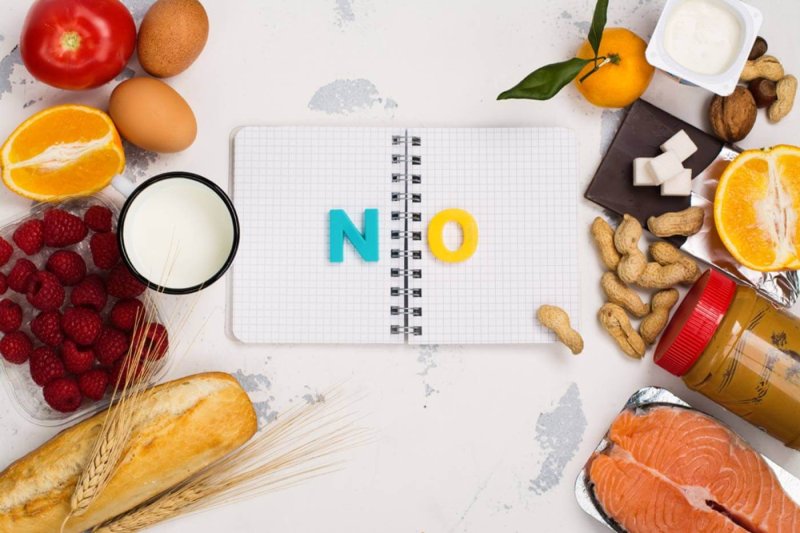
[A] key concern surrounding GE crops is the potential risk of the transferred gene leading to the production of an allergen in a food where it was not previously present. ‘Protecting people with food allergies against accidental exposure to allergens has become an important focus for food manufacturers and regulators responsible for all food safety,’ explains Dr Goodman.

Effective and scientifically sound premarket evaluation of GE foods is the most effective tool to protect the public. Dr Goodman, along with his team, has been developing assessment protocols to determine the safety of GE foods. Following criteria described by the food safety organization, the Codex Alimentarius Commission, AllergenOnline uses peer-reviewed scientific publications to evaluate amino acid sequences from proteins that are known or suspected allergens. The evidence is judged by an expert panel ….


Read the original post

{{ reviewsTotal }}{{ options.labels.singularReviewCountLabel }}
{{ reviewsTotal }}{{ options.labels.pluralReviewCountLabel }}
{{ options.labels.newReviewButton }}
{{ userData.canReview.message }}

Related Articles

Infographic: Global regulatory and health research agencies on whether glyphosate causes cancer

Infographic: Global regulatory and health research agencies on whether glyphosate causes cancer

Does glyphosate—the world's most heavily-used herbicide—pose serious harm to humans? Is it carcinogenic? Those issues are of both legal and ...

Most Popular

Screenshot-2026-05-01-at-1.29.41-PM
Viewpoint: What happens when whole grains meet modern food manufacturing? Labels don’t tell the whole story.
S
As vaccine rejectionism spreads, measles may be taking a more dangerous turn
ChatGPT-Image-Mar-27-2026-11_47_30-AM-2
FDA’s expedited drug reviews are hailed in some quarters but other approval practices are problematic
Screenshot 2026-05-06 at 2.56
Singularity crisis ahead? Can super babies save us from rogue AI geniuses?
Screenshot-2026-04-20-at-2.26.27-PM
Viewpoint — Food-fear world: The latest activist scientists campaign: Cancer-causing additives
Farmers can talk to plants
Farmers are a major source of misinformation—about farming
Screenshot-2026-04-30-at-2.19.37-PM
5 myths about summer dehydration that could damage your health — or even kill you
Screenshot-2026-05-06-at-2.07.43-PM
Manufacturing a conspiracy: The timeline of how  the White House embraced the fringe claim that scientists are being mysteriously murdered
Screenshot-2026-03-13-at-12.14.04-PM
The FDA wants to make many popular prescription drugs OTC—a great idea. Here’s why it’s unlikely to happen
Screenshot 2026-05-06 at 2.19
Vaccine shootout at the CDC 
Screenshot-2026-04-03-at-11.15.51-AM
Paraben panic: How a flawed study, media hype, and chemophobia convinced the public of the danger of one of the safest classes of preservatives
Screenshot-2026-04-12-135256
Bixonimania: The fake disease scam that AI swallowed whole
glp menu logo outlined

Get news on human & agricultural genetics and biotechnology delivered to your inbox.