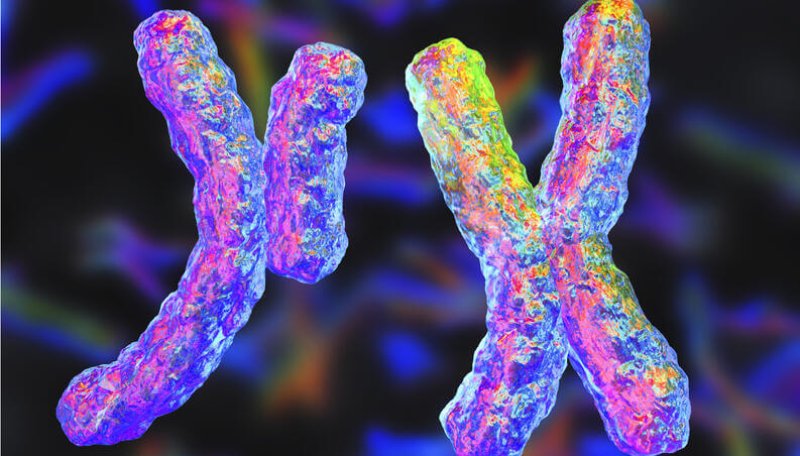

Humans each have 23 pairs of chromosomes, including one pair of sex chromosomes. While females carry two X sex chromosomes, males carry one X and one Y chromosome. This male chromosome carries genes that females lack. Although these male genes are expressed in all cells of the body, their only confirmed role to date has been essentially limited to the functions of the sex organs.
In his study, [professor Christian] Deschepper performed a genetic manipulation that inactivated two male genes on the Y chromosome, altering several signalling pathways that play important roles in certain functions of non-sex organ cells. For example, under stress, some of the affected mechanisms could influence the way in which cells in human hearts defend themselves against aggressions such as ischemia (reduced blood supply) or mechanical stress.
In addition, the study showed that these male genes performed their regulatory functions in a way that was unusual compared to the mechanisms generally used by most other genes on the non-sex chromosomes.
The discovery of these differences in function may explain in part why the functions of male Y chromosome genes have so far been poorly understood, said Deschepper.



Males differ from females in the manifestation, severity and consequences of most diseases. A recent example of this duality is Covid-19, which has a mortality rate twice as high in men than in women.