Podcast: Beyond CRISPR and gene therapy—How ‘gene writing’ is poised to transform the treatment of even the rarest diseases

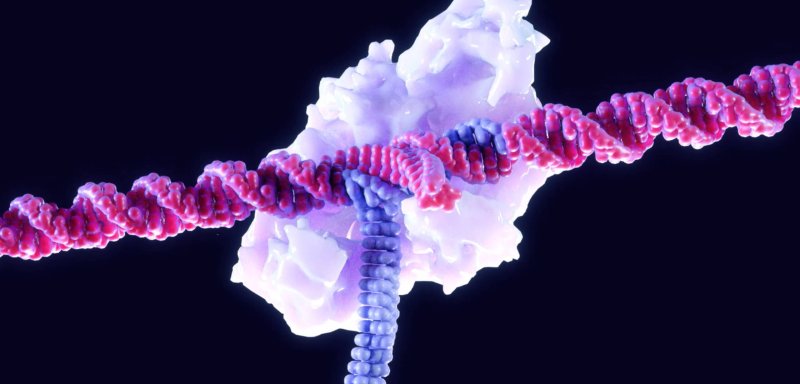
screenshot gene writing
Credit: Tessera Therapeutics
In just a few short years, gene editing has launched a biomedical revolution, yielding previously unimaginable treatments for conditions ranging from sickle cell disease to blindness. But for all its capabilities, the technology is limited by an important drawback: it typically can only disrupt a deleterious gene underlying a specific trait. So what do scientists do when editing a patient’s existing DNA won’t solve the problem? Write new genes.

The next step in the evolution of genetic medicine, gene writing exploits a natural process in cells that allows researchers to install genes of interest, replacing damaged DNA sequences that cause debilitating diseases and may not be treatable with other genetic engineering tools. According to Tessera Theraputics, a biotech startup working to harness the new technology’s potential:

RNA gene writers can change base pairs, make small insertions or deletions, and integrate entire genes into the genome …. This flexibility means that in the future, we could cure rare genetic disorders with treatments that are easily distributed, manufactured at scale, and re-dosed if necessary.

Follow the latest news and policy debates on sustainable agriculture, biomedicine, and other ‘disruptive’ innovations. Subscribe to our newsletter.

On this episode of Talking Biotech, Dr. Geoff von Maltzhan of Tessera joins host Kevin Folta to explain how gene writing works and highlight its most promising medical applications.


Dr. Geoffrey von Maltzahn is co-founder, Chief Executive Officer, and Director of Tessera Therapeutics, as well as a General Partner at Flagship Pioneering, where he focuses on inventing technologies and starting companies to address global challenges in medicine and environmental sustainability. Find Geoffrey on Twitter @GVMaltzahn

Kevin M. Folta is a professor in the Horticultural Sciences Department at the University of Florida. Follow Professor Folta on Twitter @kevinfolta

The Talking Biotech podcast, produced by Kevin Folta, is available for listening or subscription:

Apple Podcasts | Android | Email | Google Podcasts | Stitcher | RSS | Player FM | Pod Directory | TuneIn

{{ reviewsTotal }}{{ options.labels.singularReviewCountLabel }}
{{ reviewsTotal }}{{ options.labels.pluralReviewCountLabel }}
{{ options.labels.newReviewButton }}
{{ userData.canReview.message }}

Related Articles

Infographic: Global regulatory and health research agencies on whether glyphosate causes cancer

Infographic: Global regulatory and health research agencies on whether glyphosate causes cancer

Does glyphosate—the world's most heavily-used herbicide—pose serious harm to humans? Is it carcinogenic? Those issues are of both legal and ...

Most Popular

Picture1
The FDA couldn’t find a vaccine safety crisis, so it buried its own research
Screenshot-2026-04-22-at-12.21.32-PM
Viewpoint: Why the retracted Monsanto glyphosate study doesn’t change the science—the world’s most popular herbicide is safe 
Screenshot-2026-05-19-at-11.23.34-AM
West-originated vaccine disinformation sparks murders of health care workers across Africa
Screenshot-2026-05-08-at-11.55.47-AM
Anti-vax activists falsely blame COVID vaccines for the rising U.S. cancer rate among younger people.
ChatGPT-Image-Apr-16-2026-02_56_53-PM
Financial incentives, over diagnosis, and weak oversight: Autism claims are driving up Medicare costs
ChatGPT-Image-May-7-2026-12_32_36-PM
Viewpoint: The state of U.S. vaccine policy? Dismal nationally, but some states are stepping up.
ChatGPT-Image-May-12-2026-11_27_01-AM-2
AI likely to improve health care, research shows—but not for blacks and ethnic minorities
modi visit sikkim
Viewpoint: Indian PM wants farmers to switch to 50% organic. It would take at least 10 years, likely won’t work, and isn’t more sustainable
Screenshot-2026-04-13-at-1.39.26-PM
Viewpoint: ‘Safer for children?’ Stonyfield yogurt under fire for deceptive organic marketing
Screenshot-2026-05-18-at-12.57.12-PM
Viewpoint—‘Technology is pulling us apart’: Environmental, political, and economic
glp menu logo outlined

Get news on human & agricultural genetics and biotechnology delivered to your inbox.