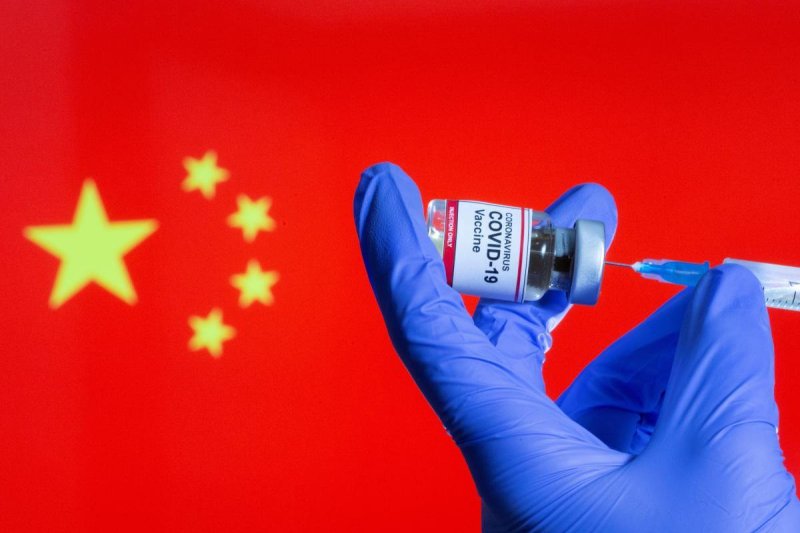
China is actively making “deals to try to get the vaccine deployed and employed” around the globe to stop the coronavirus, as the United States, through the governmentwide Operation Warp Speed program, is “looking at taking care of the U.S. first,” [said Admiral Craig Faller.]
While neither country has an approved vaccine, China has begun inoculating citizens under what appears to be an emergency use strategy. Its Sinovac Biotech developer has collaborated with Brazil on late-stage trials. Another Chinese developer, CanSino Biologics, has a clinical trial underway in Mexico and signed an advance purchase agreement with the government there to supply 35 million doses of a single-dose immunization.
“Look, we’re in a global pandemic and I’ve taken the approach here that any help is legitimate help is welcome help,” Admiral Faller said.
China has been steadily expanding its presence in the region with loans across Latin America, Chinese-government-subsidized projects that include a space mission control station in Patagonia and, recently, shipments of medical supplies to help cope with the pandemic.

It has become a major trading partner in the region through its Belt and Road Initiative — but the admiral also asserted on [December 2] that China had been trying to “undermine local elections, pay off mayors” and offer deals that undercut private U.S. industry through unfair competition.