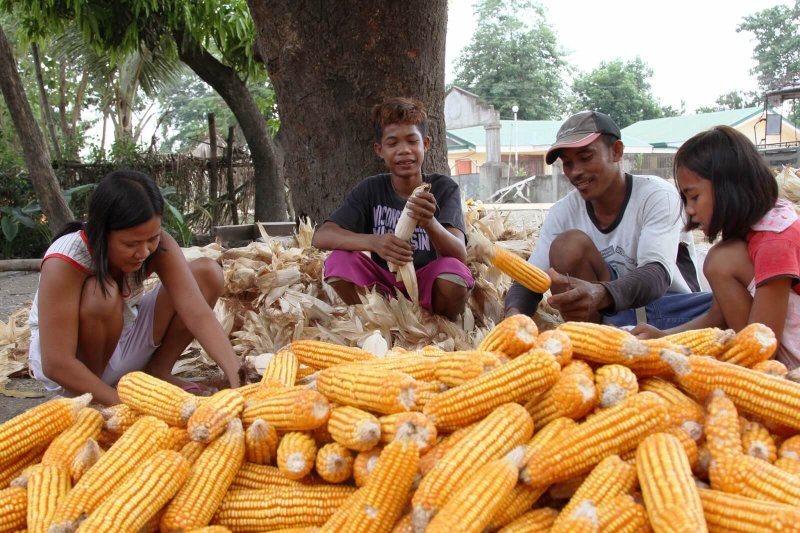
CRISPR and climate change: Philippines sees crop gene editing as powerful ally in fight against global warming

IMG
Credit: ISAAA

[Philippines Department of Science and Technology Secretary Fortunado de la Peña has] underscored the importance of [new breeding techniques, or] NBTs in accelerating the development of crop varieties as compared to conventional breeding, 

Department of Science and Technology Secretary Fortunado de la Peña. Credit: MSN

Aside from opening up opportunities to further improve our approach in agriculture, the NBTs also “creates the potential to breed plant varieties that have natural resistance to fungal diseases and to evolve traits at a pace that keeps up with the evolving pest.”

“It creates the ability to breed crops and grasses that perform better with fewer inputs reducing costs to farmers and reducing impacts on the environment, and it creates the ability to breed plants that can adapt to the challenges of climate change,” he added.

Follow the latest news and policy debates on sustainable agriculture, biomedicine, and other ‘disruptive’ innovations. Subscribe to our newsletter.

….[T]he DOST Chief also stressed the need for the Philippines to put in place a robust and scientifically-sound regulatory system on modern biotechnology.

“Twenty years ago, there was much debate about genetically modified crops. It is fair to say that there was understandable public concern about moving genes across natural biological boundaries. But it will always be important to have a robust and scientifically-sound regulatory system in place to govern genetic modification,” he said. 

Read the original post

{{ reviewsTotal }}{{ options.labels.singularReviewCountLabel }}
{{ reviewsTotal }}{{ options.labels.pluralReviewCountLabel }}
{{ options.labels.newReviewButton }}
{{ userData.canReview.message }}

Related Articles

Infographic: Global regulatory and health research agencies on whether glyphosate causes cancer

Infographic: Global regulatory and health research agencies on whether glyphosate causes cancer

Does glyphosate—the world's most heavily-used herbicide—pose serious harm to humans? Is it carcinogenic? Those issues are of both legal and ...

Most Popular

ChatGPT-Image-Jun-23-2026-03_12_23-PM
Is cellular reprogramming junk science? Nearly 20 patients are getting eye injections in the first FDA-cleared cellular trial
ChatGPT-Image-Jun-25-2026-12_23_17-PM
No, Bill Gates did not secretly engineer ticks to promote veganism
ChatGPT-Image-Jun-24-2026-11_36_47-AM
Why the human genome is less a script than a puzzle
Screenshot-2026-06-15-at-1.55.27-PM
America's trust in Trump-Kennedy's CDC health recommendations is plunging
ChatGPT-Image-Jun-17-2026-10_52_43-AM
Anguished parents, doctors in tears: Utah’s long measles outbreak takes a toll
Screenshot 2026-06-25 at 10.55
Leading OB-GYN group challenges RFK, Jr. gutting of maternal vaccine schedule
ChatGPT-Image-Mar-10-2026-01_39_01-PM
Viewpoint—“Miracle molecule” debunked: Why acemannan supplements don’t work
Screenshot-2026-06-22-at-9.04.46-PM
Kennedy's nutrition prescription for medical schools: Real problem, bad cure
Screenshot-2026-06-24-at-2.57.41-PM
Viewpoint: Trump’s Reflecting Pool algae fiasco points to a bigger culprit: Climate change
Screenshot-2026-06-25-at-1.48.40-PM
Glyphosate affirmed as safe: Supreme Court rejects lawsuit claiming Roundup herbicide causes cancer, upholding EPA determination
Screenshot-2026-06-24-at-2.40.46-PM
Hegseth reversal: As Air Force flu outbreak continues to surge, military reinstitutes mandatory vaccines for recruits

Sorry. No data so far.

glp menu logo outlined

Get news on human & agricultural genetics and biotechnology delivered to your inbox.