Dark web scam: Here is why you shouldn’t source your vaccine from the internet

Credit: Financial Times/Dreamstime/Getty Images

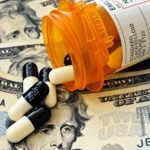
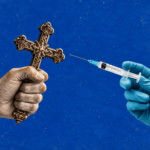
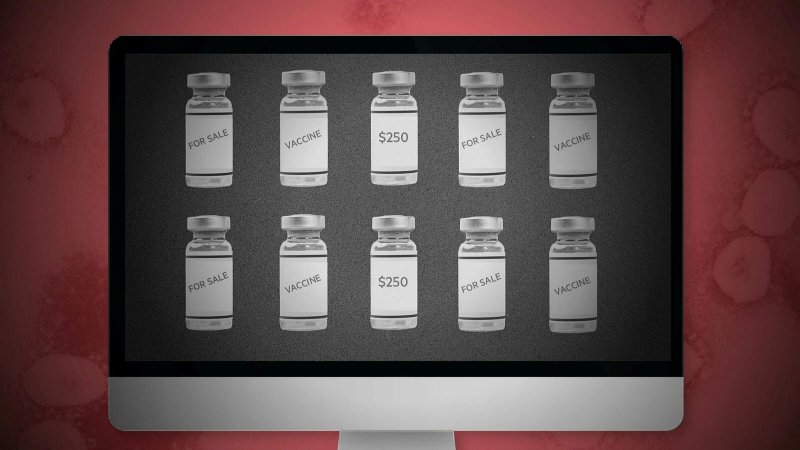
Sellers on 15 different “dark web” marketplaces have dispersed hundreds of doses of what they allege are COVID-19 vaccines, according to a new study by cybersecurity firm Kaspersky. What’s more, Kaspersky’s researchers believe a significant portion of those sales, as much as 30%, could be of actual vaccines.

“There is evidence that suggests some of these sellers are providing real doses,” said Dmitry Galov, a researcher at Kaspersky who led the study of illicit online vaccines sales. “There are pictures of packaging and medical certificates. It looks like some of these people do have inside access to medical institutions.”

The doses are available for as much as $1,200 a pop, and Kaspersky researchers, who finished their study two weeks ago, say some vaccine hawkers have completed as many as 500 transactions. Galov said the prices have been rising recently and that all of the sales are conducted in cryptocurrencies, such as bitcoin, making them hard to track. 

Follow the latest news and policy debates on sustainable agriculture, biomedicine, and other ‘disruptive’ innovations. Subscribe to our newsletter.

Galov said he’s seen no evidence of regulators trying to crack down on those on the dark web claiming to sell vaccines. 

Also for sale are phony vaccination cards and forged documents that claim a person has had a negative COVID-19 test. Dubious treatments for the disease are being touted as well, according to the study.


Read the original post

{{ reviewsTotal }}{{ options.labels.singularReviewCountLabel }}
{{ reviewsTotal }}{{ options.labels.pluralReviewCountLabel }}
{{ options.labels.newReviewButton }}
{{ userData.canReview.message }}

Related Articles

Infographic: Global regulatory and health research agencies on whether glyphosate causes cancer

Infographic: Global regulatory and health research agencies on whether glyphosate causes cancer

Does glyphosate—the world's most heavily-used herbicide—pose serious harm to humans? Is it carcinogenic? Those issues are of both legal and ...

Most Popular

Screenshot-2026-05-01-at-1.29.41-PM
Viewpoint: What happens when whole grains meet modern food manufacturing? Labels don’t tell the whole story.
S
As vaccine rejectionism spreads, measles may be taking a more dangerous turn
ChatGPT-Image-Mar-27-2026-11_47_30-AM-2
FDA’s expedited drug reviews are hailed in some quarters but other approval practices are problematic
Screenshot 2026-05-06 at 2.56
Singularity crisis ahead? Can super babies save us from rogue AI geniuses?
Screenshot-2026-04-20-at-2.26.27-PM
Viewpoint — Food-fear world: The latest activist scientists campaign: Cancer-causing additives
Farmers can talk to plants
Farmers are a major source of misinformation—about farming
Screenshot-2026-04-30-at-2.19.37-PM
5 myths about summer dehydration that could damage your health — or even kill you
Screenshot-2026-05-06-at-2.07.43-PM
Manufacturing a conspiracy: The timeline of how  the White House embraced the fringe claim that scientists are being mysteriously murdered
Screenshot-2026-03-13-at-12.14.04-PM
The FDA wants to make many popular prescription drugs OTC—a great idea. Here’s why it’s unlikely to happen
Screenshot 2026-05-06 at 2.19
Vaccine shootout at the CDC 
Screenshot-2026-04-03-at-11.15.51-AM
Paraben panic: How a flawed study, media hype, and chemophobia convinced the public of the danger of one of the safest classes of preservatives
glp menu logo outlined

Get news on human & agricultural genetics and biotechnology delivered to your inbox.