Human embryo research restrictions: Scientists move to drop 14-day limit on research

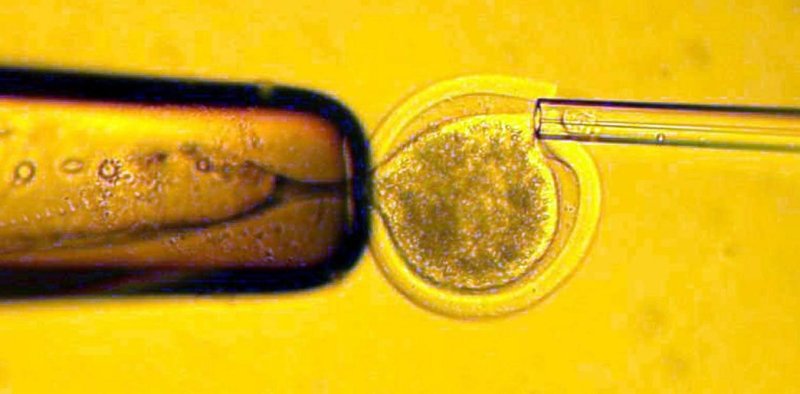
Credit: EPA/Seoul University/AAP

For the last 40 years, the rule, which is law in some countries and a guideline in others, has served as an important stop sign for embryonic research. It has provided a clear signal to the public that scientists wouldn’t grow babies in labs. To researchers, it gave clarity about what research they could pursue.

Now, however, a key scientific body is ready to do away with the 14-day limit. The action would come at a time when scientists are making remarkable progress in growing embryonic cells and watching them develop. 

By allowing both normal and artificial embryos to continue developing after two weeks, the end of the self-imposed limit could unleash impressive but ethically charged new experiments on extending human development outside the womb.

The International Society for Stem Cell Research has prepared draft recommendations to move such research out of a category of “prohibited” scientific activities and into a class of research that can be permitted after ethics review and depending on national regulations.

Follow the latest news and policy debates on sustainable agriculture, biomedicine, and other ‘disruptive’ innovations. Subscribe to our newsletter.

People familiar with ISSCR processes say there is not unanimous support for withdrawing the 14-day rule, with objections coming from bioethicists and some scientists. But they are in the minority: most agree that it needs to be eased.


Read the original post

{{ reviewsTotal }}{{ options.labels.singularReviewCountLabel }}
{{ reviewsTotal }}{{ options.labels.pluralReviewCountLabel }}
{{ options.labels.newReviewButton }}
{{ userData.canReview.message }}

Related Articles

Infographic: Global regulatory and health research agencies on whether glyphosate causes cancer

Infographic: Global regulatory and health research agencies on whether glyphosate causes cancer

Does glyphosate—the world's most heavily-used herbicide—pose serious harm to humans? Is it carcinogenic? Those issues are of both legal and ...

Most Popular

Screenshot-2026-04-13-at-3.54.04-PM
AI disinformation stress test: Challenges and response strategies
ChatGPT-Image-Feb-16-2026-01_04_32-PM
Raw milk myth wake-up call
ChatGPT-Image-Apr-23-2026-09_20_20-PM
Kennedy’s CDC blocks publication of study that shows vaccines reduce hospitalizations by 50%, then misrepresents why
ChatGPT-Image-Apr-20-2026-11_17_18-AM-2
10,000 scientists gone: Trump’s cuts create an unprecedented brain drain
Screenshot-2026-04-21-at-12.05.38-PM
MAHA’s special protein-focused formula for skin care: Beef tallow and salmon sperm. How could they be wrong?
Screenshot-2026-04-12-135256
Bixonimania: The fake disease scam that AI swallowed whole
Rod Curtis
In Zimbabwe, an almost-deadly collision between fake news and a real virus
images
The never-ending GMO debate: Pros and cons
Screenshot-2026-04-22-at-1.14.34-PM
Latest fevered, right-wing conspiracy: Fox, New York Post, and kooky GOP legislators push ‘Dead Scientists’ scare

Sorry. No data so far.

glp menu logo outlined

Get news on human & agricultural genetics and biotechnology delivered to your inbox.