CRISPR poised to deliver dramatic benefits in fighting hunger and disease in Africa

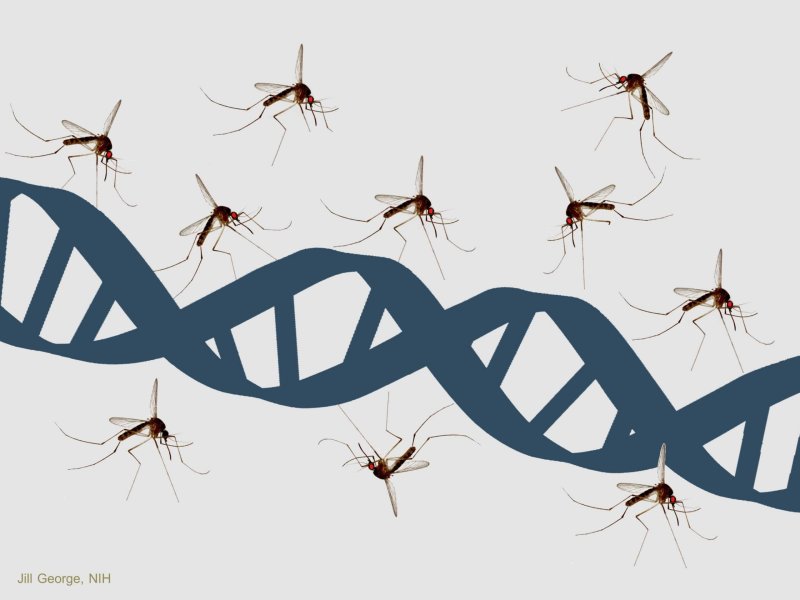
mosquitoanddna
CRISPR/Cas9-based gene drives (GDs) were developed for malaria-carrying mosquito populations. Credit: Jill George/NIH

In Africa, hunger and starvation are rapidly accelerating. Economic issues and dramatic weather changes resulted in over 20% of the population experiencing long-term hunger.

A company, Calyxt, became the first to commercially debut a CRISPR gene-edited food, a soybean oil that is healthier for the body. Calyno, as the oil is known, marks a critical phase in gene modification. The time has finally arrived where it is possible to make foods that not only have been genetically altered to improve crop yield but food that is both tastier and healthier than standard crops. Other genetically modified crops were made more accessible through CRISPR, such as rice and other grains that are more resistant to pesticides and insects.

CRISPR gene editing has very high promises for treating and curing a significant number of diseases. In Africa, the leading causes of death are HIV/AIDS, Malaria and Tuberculosis. Mosquitoes transmit malaria and other diseases, but efforts to control their populations have had little success. CRISPR/Cas9-based gene drives (GDs) were developed for malaria-carrying mosquito populations.

Follow the latest news and policy debates on sustainable agriculture, biomedicine, and other ‘disruptive’ innovations. Subscribe to our newsletter.

The benefits of this technology, which could save the lives of millions of people, should be equally accessible to those in developing countries. With the proper investment, CRISPR gene editing would be worth the wait.


Read the original post.

{{ reviewsTotal }}{{ options.labels.singularReviewCountLabel }}
{{ reviewsTotal }}{{ options.labels.pluralReviewCountLabel }}
{{ options.labels.newReviewButton }}
{{ userData.canReview.message }}

Related Articles

Infographic: Global regulatory and health research agencies on whether glyphosate causes cancer

Infographic: Global regulatory and health research agencies on whether glyphosate causes cancer

Does glyphosate—the world's most heavily-used herbicide—pose serious harm to humans? Is it carcinogenic? Those issues are of both legal and ...

Most Popular

d-b
Blocked arteries, kidney stones, nausea, constipation, fatigue: Long list of health problems caused by too much vitamin D 
Screenshot-PM-24
Viewpoint: The herbicide glyphosate isn’t perfect. Banning it would be far worse.
ChatGPT-Image-Apr-30-2026-12_21_05-PM-2
The tech billionaires behind the immortality movement
ChatGPT-Image-Apr-30-2026-05_00_48-PM
Wellness grifter physician turned wellness influencer out as surgeon general nominee
ChatGPT-Image-Mar-27-2026-11_27_05-AM
The myths of “process”: What science says about the “dangers’ of synthetic products and ultra-processed foods

Sorry. No data so far.

glp menu logo outlined

Get news on human & agricultural genetics and biotechnology delivered to your inbox.