CRISPR can alter an embryo’s genes forever. What happens when there are ‘mistakes’?

Credit: Dekh News
Credit: Dekh News

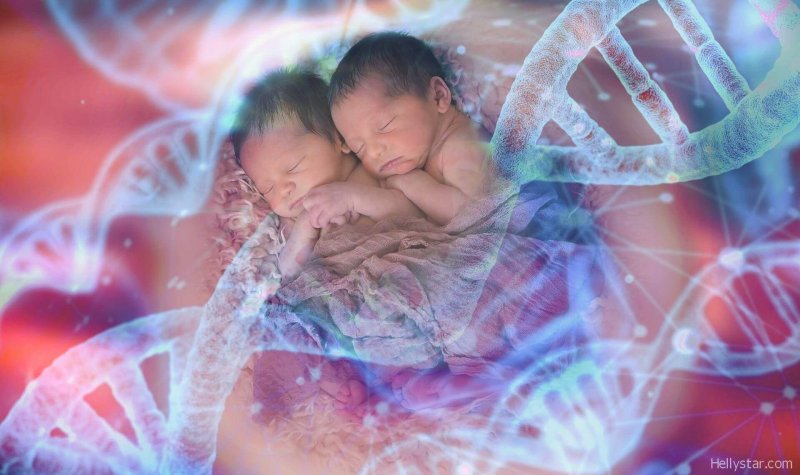
[He Jiankui] made the first genetically modified babies in the history of humankind. After 3.7 billion years of continuous, undisturbed evolution by natural selection, a life form had taken its innate biology into its own hands. The result was twin baby girls who were born with altered copies of a gene known as CCR5, which the scientist hoped would make them immune to HIV.

But things were not as they seemed.

He had broken laws, forged documents, misled the babies’ parents about any risks and failed to do adequate safety testing… However, arguably the biggest twist were the mistakes. It turns out that the babies involved, Lulu and Nana, have not been gifted with neatly edited genes after all. Not only are they not necessarily immune to HIV, they have been accidentally endowed with versions of CCR5 that are entirely made up – they likely do not exist in any other human genome on the planet. And yet, such changes are heritable – they could be passed on to their children, and children’s children, and so on.

Follow the latest news and policy debates on sustainable agriculture, biomedicine, and other ‘disruptive’ innovations. Subscribe to our newsletter.

“These are genes that have been involved in our genome for thousands of years, if not longer – so for us to know how they will function for humans in varying contexts for the next hundred years really is a challenge,” [bioengineer Krishanu Saha said.]


Read the original post

{{ reviewsTotal }}{{ options.labels.singularReviewCountLabel }}
{{ reviewsTotal }}{{ options.labels.pluralReviewCountLabel }}
{{ options.labels.newReviewButton }}
{{ userData.canReview.message }}

Related Articles

Infographic: Global regulatory and health research agencies on whether glyphosate causes cancer

Infographic: Global regulatory and health research agencies on whether glyphosate causes cancer

Does glyphosate—the world's most heavily-used herbicide—pose serious harm to humans? Is it carcinogenic? Those issues are of both legal and ...

Most Popular

Screenshot-2026-04-12-135256
Bixonimania: The fake disease scam that AI swallowed whole
ChatGPT-Image-Apr-13-2026-02_20_22-PM
Viewpoint: Misinformation infodemic? Why assessing evidence is so challenging 
Screenshot-2026-05-01-at-1.29.41-PM
Viewpoint: What happens when whole grains meet modern food manufacturing? Labels don’t tell the whole story.

Sorry. No data so far.

glp menu logo outlined

Get news on human & agricultural genetics and biotechnology delivered to your inbox.