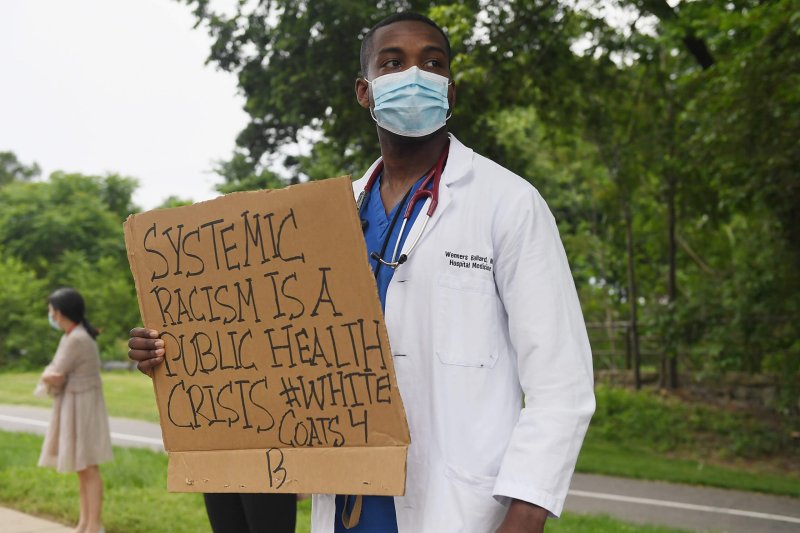
Although race is a social rather than biological construct, there are inherited genetic variations that play a role in drug response and adverse drug reactions—and genetic variations differ among different ethnicities.
Parsing these factors is of more than academic interest. For example, the most commonly prescribed medication for asthma, albuterol, may not always be as effective for people with African ancestry as it is for people of European descent. It took several years after albuterol was approved and, on the market, to gain more understanding of its suboptimal efficacy in Black people. With a better understanding of genetic variations that contribute to these differences, we may be able to provide more effective treatments for a group of children who are nearly twice as likely to have asthma than their white peers.
This kind of research highlights the need for clinical trials to be inclusive of patients that are more affected by the disease and thereby more likely to benefit from new treatments.

[T]rue equity can’t be achieved until we discuss these issues, take action in our own research and work to lift up the communities impacted by disparities.