Viewpoint: Anti-biotechnology groups lining up against proposal that USDA take over regulation of genetically engineered animals, claiming ‘unknown dangers’

Credit: Andy Sacks/Getty Images

A potential shift in regulatory authority and oversight from the U.S. Food and Drug Administration to the USDA over genetically modified animals could dramatically change the industry.

…

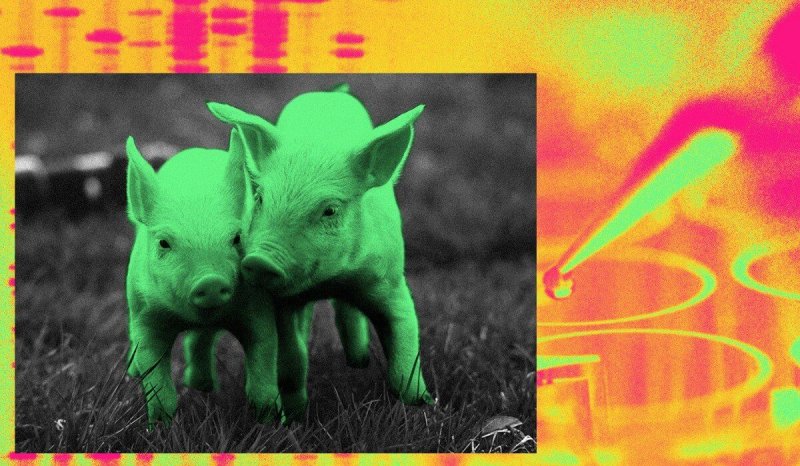
The proposed changes cover a wide scope of regulatory framework and safety review process for “amenable species,” which ranges from cattle, horses and sheep to catfish, geese, ducks, pigeons and swine and the regulation of biotechnology. That includes how the USDA should define “off-target changes” for the “purpose of expedited review of animals” in certain cases and what kind of genetic modification, entities or activities should be given exemptions from regulations. It is regulatory framework the USDA calls more “flexible” for the regulation of certain animals modified or developed using genetic engineering.

Mis- and disinformation are distorting science and public policy. Subscribe to our Daily and Weekly Digests for incisive coverage of ‘disruptive’ innovations in AI, agricultural biotechnology, food, chemicals, nuclear energy, vaccines, and other disruptive innovations.

Many in the natural food industry and environmental groups say more caution should be given before allowing more genetically engineered animals into the marketplace.


“GMOs are a gateway technology through which other far more powerful technologies are going to go through the portal,” says Loren Israelsen, founder and president of United Natural Products Alliance. “When you get into synthetic biology and a lot more sophisticated technologies, it’s a one-way go, and if you pull the trigger, you can’t pull it back.”


Read the original post

Related Articles

Infographic: Global regulatory and health research agencies on whether glyphosate causes cancer

Infographic: Global regulatory and health research agencies on whether glyphosate causes cancer

Does glyphosate—the world's most heavily-used herbicide—pose serious harm to humans? Is it carcinogenic? Those issues are of both legal and ...

Most Popular

ChatGPT-Image-Mar-10-2026-01_39_01-PM
Viewpoint—“Miracle molecule” debunked: Why acemannan supplements don’t work
ChatGPT-Image-Sep-23-2026-02_36_39-PM
Viewpoint: After firing the entire National Science Board, Trump reshapes funding initiatives. Here’s the good and the bad.
generated-1790707585414
Facts & Fallacies podcast: America's health care system is broken. A doctor explains how to fix it
ChatGPT-Image-Sep-2-2026-02_03_32-PM
How much of a problem is AI’s water use?
Screenshot-2026-09-29-at-11.06.43-AM
Astrology, homeopathy, vaccine rejectionism, creationism: Why pseudoscience thrives as science advances
Screenshot-2026-09-17-at-1.07.08-PM
'We are dangerously addicted to antidepressants': Should we heed RFK Jr.’s sobering warning?
Screenshot-2026-09-25-at-9.24.04-AM
What constitutes a measles death? RFK, Jr. maneuvers to restrict definition to make pandemic seem less dire
ChatGPT-Image-Sep-22-2026-11_17_31-AM
The exploding controversy over AI’s built-in survival drive
ChatGPT-Image-Sep-28-2026-11_51_41-AM
Energy-sucking data centers are unpopular across the political spectrum. Could moving them into space change the equation?
Screenshot-2026-09-28-at-2.41.21-PM
Viewpoint: 7-OH controversy: An opioid is available over-the-counter–even at gas stations. Should we be concerned?
glp menu logo outlined

Get news on human & agricultural genetics and biotechnology delivered to your inbox.