Brain size v body size: ‘There is no single evolutionary path to a bigger brain’

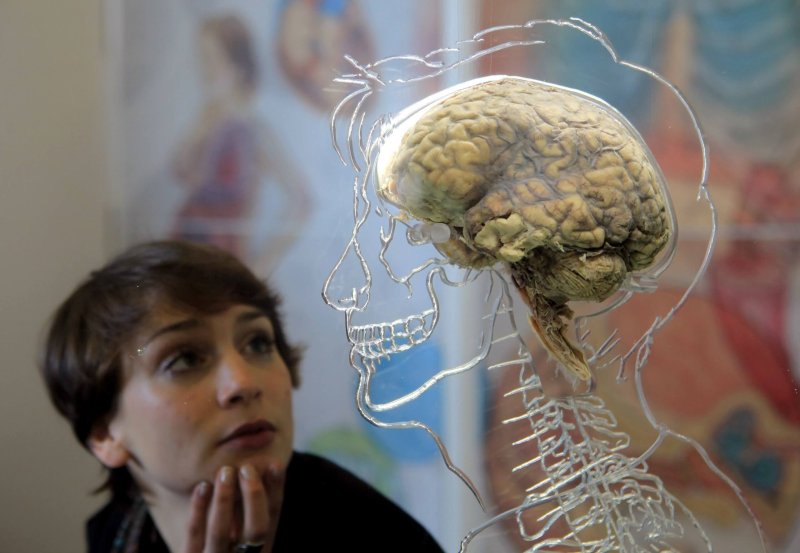
Credit: Matt Cardy/Getty Images

Over nearly 200 million years of mammal evolution… researchers have shown that brain size is actually secondary to body size. Their research also shows that there are many different evolutionary paths to having a big brain.

Prof. Anjali Goswami, a Research Leader at the Natural History Museum and an author of the study, explains ‘A lot of the time where it looks like brain size in increasing, it’s actually not that brains are getting bigger, but evolution is acting to decrease body size.’

Habitat, diet, reproduction and metabolism all impact body size and may be more consequential for survival compared to cognition and intelligence.

Follow the latest news and policy debates on sustainable agriculture, biomedicine, and other ‘disruptive’ innovations. Subscribe to our newsletter.

Over evolutionary time, ‘big-brained’ mammals including humans, dolphins and elephants have attained their proportions in different ways. 

Elephants have increased their body size but, perhaps surprisingly, continued to increase their brain size even more. 

Great apes, such as chimpanzees and gorillas, show a wide variety of body sizes, with a general trend towards increases in both brain and body size.

In comparison, ancestral hominins (which represent our own evolutionary history), showed a relative decrease in body size and increase in brain size compared to other great apes. This suggests that cognition was likely a factor in driving brain size evolution of our species.


Read the original post

{{ reviewsTotal }}{{ options.labels.singularReviewCountLabel }}
{{ reviewsTotal }}{{ options.labels.pluralReviewCountLabel }}
{{ options.labels.newReviewButton }}
{{ userData.canReview.message }}

Related Articles

Infographic: Global regulatory and health research agencies on whether glyphosate causes cancer

Infographic: Global regulatory and health research agencies on whether glyphosate causes cancer

Does glyphosate—the world's most heavily-used herbicide—pose serious harm to humans? Is it carcinogenic? Those issues are of both legal and ...

Most Popular

Screenshot-2026-04-13-at-3.54.04-PM
AI disinformation stress test: Challenges and response strategies
ChatGPT-Image-Feb-16-2026-01_04_32-PM
Raw milk myth wake-up call
Screenshot-2026-04-15-at-1.22.58-PM
Anti-biotechnology activists smear hybrid wheat breakthrough that could surge yields in poorer countries
ChatGPT-Image-Mar-11-2026-11_58_46-AM
The Trump administration has run out more than 4,000 National Institutes of Health employees. Here are the consequences
ChatGPT-Image-Apr-17-2026-03_30_52-PM
Food labels, decoded: What they really mean
Screenshot-2026-04-14-at-12.51.09-PM
Public health advocates turn to influencers to fight online misinformation
glp menu logo outlined

Get news on human & agricultural genetics and biotechnology delivered to your inbox.