Russia approves first animal COVID vaccine to protect vulnerable species and thwart viral mutations

Credit: Getty Images

While many scientists say the virus causing covid-19 initially jumped from bats to humans, perhaps through another intermediary, infections have since been reported worldwide in animals, from zoos to mink farms.

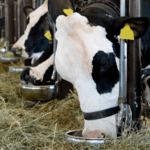
It remains unclear how easily the virus can move between animals and humans. But after repeated outbreaks among minks at farms in Denmark and elsewhere in Europe, millions of the furry animals were killed precautionarily to cut any further transmission. Scientists have been particularly worried about mutated variants of the virus developing in minks and other animals going on to infect humans.

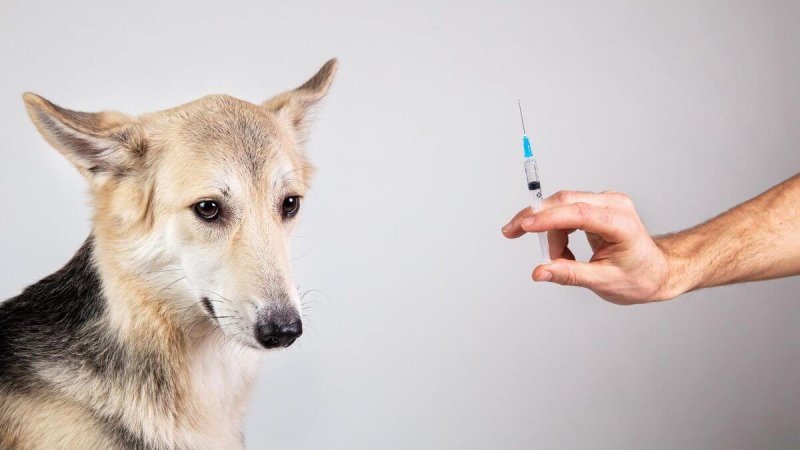
Russia has already approved three coronavirus vaccines for use in humans on an emergency basis. [Russia’s Federal Service for Veterinary and Phytosanitary Surveillance] deputy head Konstantin Savenkov said [March 31 that a new vaccine called Carnivak-Cov] would be the world’s first authorized for widespread animal inoculations.

Follow the latest news and policy debates on sustainable agriculture, biomedicine, and other ‘disruptive’ innovations. Subscribe to our newsletter.

Scientists in Russia launched clinical trials in October and tested the vaccine on dogs, cats, foxes, including Arctic foxes, and minks, among other animals. Mass production of the vaccine could begin [this spring] according to Savenkov.

“The outcome of the research gives us grounds to conclude that the vaccine is safe and has strong immunogenic effect,” Savenkov said.


Read the original post

{{ reviewsTotal }}{{ options.labels.singularReviewCountLabel }}
{{ reviewsTotal }}{{ options.labels.pluralReviewCountLabel }}
{{ options.labels.newReviewButton }}
{{ userData.canReview.message }}

Related Articles

Infographic: Global regulatory and health research agencies on whether glyphosate causes cancer

Infographic: Global regulatory and health research agencies on whether glyphosate causes cancer

Does glyphosate—the world's most heavily-used herbicide—pose serious harm to humans? Is it carcinogenic? Those issues are of both legal and ...

Most Popular

Picture1
The FDA couldn’t find a vaccine safety crisis, so it buried its own research
Screenshot-2026-04-22-at-12.21.32-PM
Viewpoint: Why the retracted Monsanto glyphosate study doesn’t change the science—the world’s most popular herbicide is safe 
ChatGPT-Image-May-7-2026-01_23_27-PM-2
Viewpoint: Will AI democratize personalized cancer treatment or fuel medical misinformation?
ChatGPT-Image-May-1-2026-11_42_59-AM-2
Viewpoint: NAD is the wellness grifters latest evidence-lite longevity fad. At least the mice are impressed.
vax-misinformation-main
Facts & Fallacies Podcast: Limit free speech to blunt social media misinfo?
ChatGPT-Image-Apr-16-2026-02_56_53-PM
Financial incentives, over diagnosis, and weak oversight: Autism claims are driving up Medicare costs
ChatGPT-Image-May-12-2026-11_27_01-AM-2
AI likely to improve health care, research shows—but not for blacks and ethnic minorities
global warming
‘Implausible’: Top climate scientists reject worst-case scenario—soaring temperatures and fast-rising sea levels
Screenshot-2026-04-13-at-1.39.26-PM
Viewpoint: ‘Safer for children?’ Stonyfield yogurt under fire for deceptive organic marketing
modi visit sikkim
Viewpoint: Indian PM wants farmers to switch to 50% organic. It would take at least 10 years, likely won’t work, and isn’t more sustainable
Screenshot-2026-05-21-at-12.15.17-PM
UK gene-editing milestone: Livestock barley that increases ruminant value and reduces methane emissions is first-approved CRISPR crop
Screenshot-2026-05-21-at-3.15.53-PM
Chiropractors may no longer be modern-day snake oil salesmen, but the benefits of their therapy are limited–at best
glp menu logo outlined

Get news on human & agricultural genetics and biotechnology delivered to your inbox.