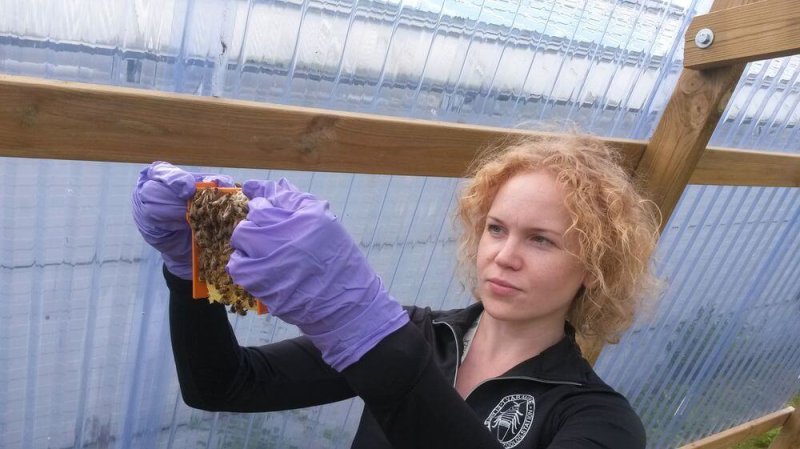

The solution is about the size of a grain of pollen, and when ingested by bees, allows the creatures to come into contact with… pesticides with immunity — like a little bee vaccine. With 98% of [US] hives contaminated by at least six different pesticides and a third of our food reliant on bees for pollination, beekeepers are taking note.
James Webb, a 27-year-old student at Cornell University, developed the idea and co-authored a study about his findings in the journal Nature Food.
…
“We can put microparticles in a sugar feed or even a pollen supplement,” he says, “and they’ll happily eat it up.”
The study found 100% of the bees who received the enzyme survived exposure to lethal amounts of pesticide — and 100% of the bees that didn’t died.
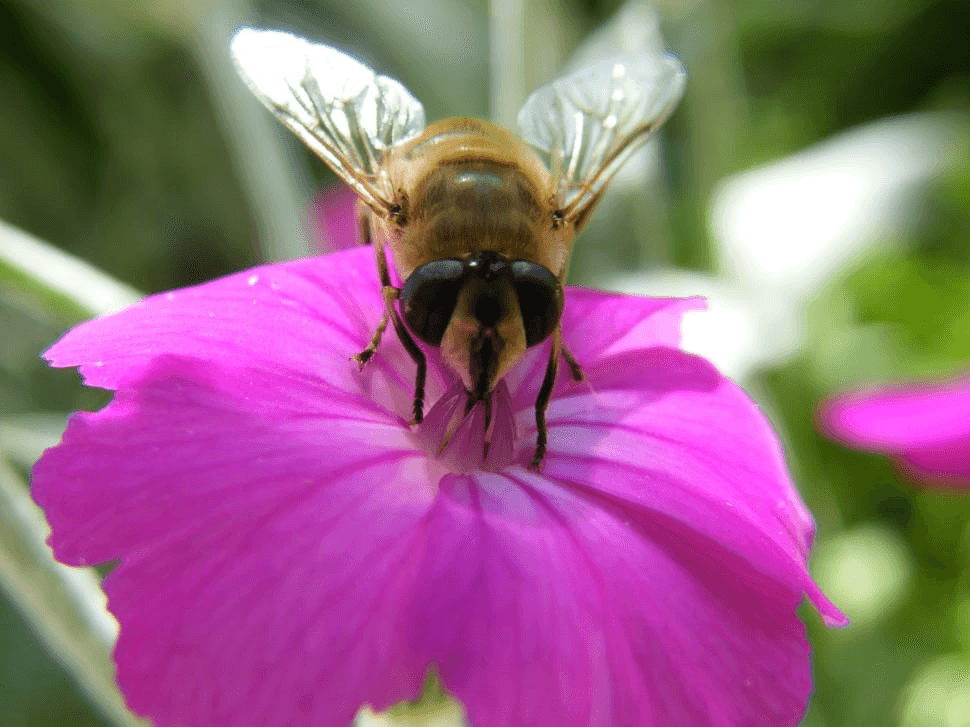


In the U.S., the agriculture sector relies on managed pollination services to grow food, Webb says. Beekeepers travel around the country and bring bees into fields to pollinate crops — from cherries to tomatoes to almonds.
But beekeepers are losing around 40% of their colonies every year because of pesticides applied to crops, he says… “If we don’t have these beekeepers one day, we might not have the pollination supply to bring us this food,” he says.