In rare cases, teens are developing post-vaccine myocarditis. How big a concern is this?

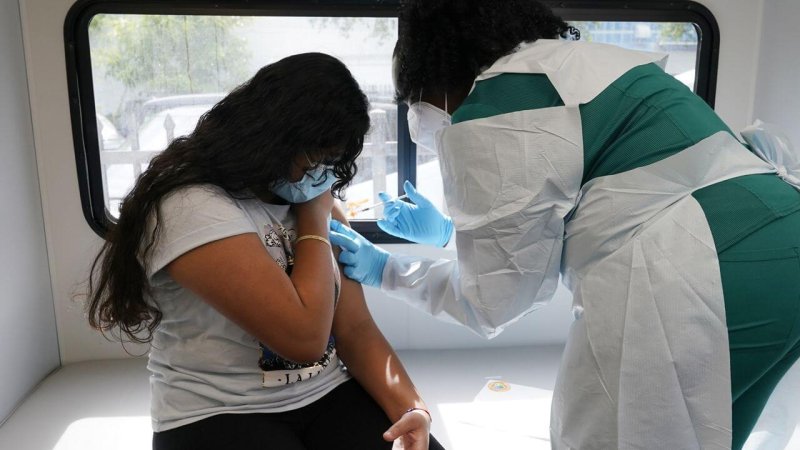
Jenna Ramkhelawan, 12, receives the first dose of the Pfizer Covid-19 vaccine. Credit: Marta Lavandier/AP

According to the CDC, after a meeting of expert advisors discussed the data [June 23], more than 300 cases of heart inflammation have been documented after the Pfizer or Moderna COVID-19 vaccines. The cases have been seen mostly in teens and young adults between 12 and 39 years old, the agency says. Symptoms can include chest pain or pressure and a temporarily abnormal ECG and blood test results.

Naturally occurring heart inflammation is rare, but it does occur from time to time in teens and young adults. The rate seen after these vaccines is slightly higher than the “background” rate.

Follow the latest news and policy debates on sustainable agriculture, biomedicine, and other ‘disruptive’ innovations. Subscribe to our newsletter.

So, should parents of teens hesitate to have their kids vaccinated against COVID-19?

Vaccine experts and the American Academy of Pediatrics say no, don’t hesitate. It’s good for doctors and patients to be aware that there might be a connection between the mRNA vaccines and heart inflammation, and to report to their pediatrician anything they see in that first week after vaccination.

But it is also important, the CDC notes, to recognize that even if this does turn out to be an extremely rare side effect of the vaccine, “most patients who received care responded well to medicine and rest and quickly felt better.”


Read the original post

{{ reviewsTotal }}{{ options.labels.singularReviewCountLabel }}
{{ reviewsTotal }}{{ options.labels.pluralReviewCountLabel }}
{{ options.labels.newReviewButton }}
{{ userData.canReview.message }}

Related Articles

Infographic: Global regulatory and health research agencies on whether glyphosate causes cancer

Infographic: Global regulatory and health research agencies on whether glyphosate causes cancer

Does glyphosate—the world's most heavily-used herbicide—pose serious harm to humans? Is it carcinogenic? Those issues are of both legal and ...

Most Popular

Screenshot-2026-05-01-at-1.29.41-PM
Viewpoint: What happens when whole grains meet modern food manufacturing? Labels don’t tell the whole story.
ChatGPT-Image-Mar-27-2026-11_47_30-AM-2
FDA’s expedited drug reviews are hailed in some quarters but other approval practices are problematic
S
As vaccine rejectionism spreads, measles may be taking a more dangerous turn
ChatGPT-Image-Apr-13-2026-02_20_22-PM
Viewpoint: Misinformation infodemic? Why assessing evidence is so challenging 
bigstock opioids on chalkboard with rol
GLP podcast: 'Safe injection sites': enabling drug addiction or saving lives?
circular-bioeconomy-should-focus-on-sustainable-wellbeing
GLP podcast: What's wrong with 'doomsday' environmentalism? It's false.
Screenshot-2026-04-20-at-2.26.27-PM
Viewpoint — Food-fear world: The latest activist scientists campaign: Cancer-causing additives
Screenshot-2026-03-13-at-12.14.04-PM
The FDA wants to make many popular prescription drugs OTC—a great idea. Here’s why it’s unlikely to happen

Sorry. No data so far.

glp menu logo outlined

Get news on human & agricultural genetics and biotechnology delivered to your inbox.