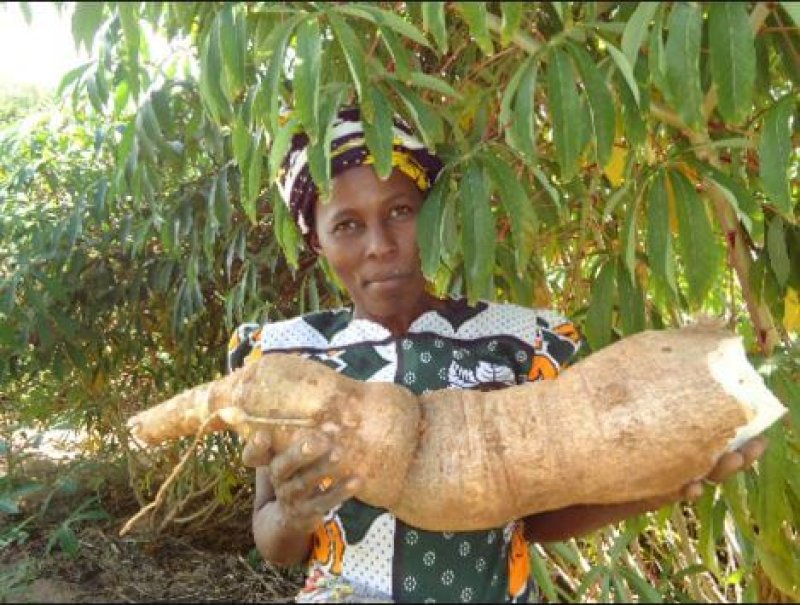
Kenyan small farmers look to genetically engineered disease resistant cassava to improve food security

Credit: Japhet
Credit: Japhet

Catherine Taracha, a scientist at the Kenya Agricultural and Livestock Research Organization (Kalro), is looking forward to starting planting genetically modified (GM) cassava on a trial basis after the government recently approved the process.

“We will do the trials in Western Kenya, at the Coast and in the Eastern part,” Taracha said Monday during a virtual meeting in Nairobi, expressing optimism that in two year’s time, farmers across the country and other parts of East Africa would start growing the crop commercially.

Mis- and disinformation are distorting science and public policy. Subscribe to our Daily and Weekly Digests for incisive coverage of ‘disruptive’ innovations in AI, agricultural biotechnology, food, chemicals, nuclear energy, vaccines, and other disruptive innovations.

In Kenya, only 970,000 tonnes of cassava are produced annually, and this is because of diseases like cassava mosaic and brown streak as well as pests like whiteflies and mealybugs.

For millions of farmers across East Africa, the cassava mosaic disease was a real problem in the mid-1990s as it spread like bush fire in the region, causing over 80 percent yield losses.
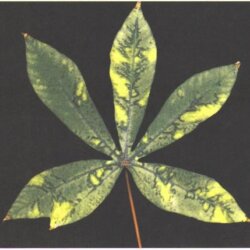
Annual yield losses due to the disease are estimated at 7 billion shillings (about 65 million U.S. dollars) in East and Central Africa, according to Taracha.

“We are banking on the GM crop to boost this crop. There is a huge market for cassava because of its huge potential,” she said.


Read the original post

Related Articles

Infographic: Global regulatory and health research agencies on whether glyphosate causes cancer

Infographic: Global regulatory and health research agencies on whether glyphosate causes cancer

Does glyphosate—the world's most heavily-used herbicide—pose serious harm to humans? Is it carcinogenic? Those issues are of both legal and ...

Most Popular

ChatGPT-Image-Mar-10-2026-01_39_01-PM
Viewpoint—“Miracle molecule” debunked: Why acemannan supplements don’t work
ChatGPT-Image-Sep-23-2026-02_36_39-PM
Viewpoint: After firing the entire National Science Board, Trump reshapes funding initiatives. Here’s the good and the bad.
Screenshot-2026-09-29-at-11.06.43-AM
Astrology, homeopathy, vaccine rejectionism, creationism: Why pseudoscience thrives as science advances
generated-1790707585414
Facts & Fallacies podcast: America's health care system is broken. A doctor explains how to fix it
ChatGPT-Image-Sep-30-2026-01_11_07-PM
How U.S. teamed with Russia to block global human AI weapons oversight
ChatGPT-Image-Sep-2-2026-02_03_32-PM
How much of a problem is AI’s water use?
ChatGPT-Image-Sep-22-2026-11_17_31-AM
The exploding controversy over AI’s built-in survival drive
ChatGPT-Image-Sep-28-2026-11_51_41-AM
Energy-sucking data centers are unpopular across the political spectrum. Could moving them into space change the equation?
glp menu logo outlined

Get news on human & agricultural genetics and biotechnology delivered to your inbox.