Synthetic foods: They sound unappetizing — but they could revolutionize agriculture

Credit: NBC
Credit: NBC

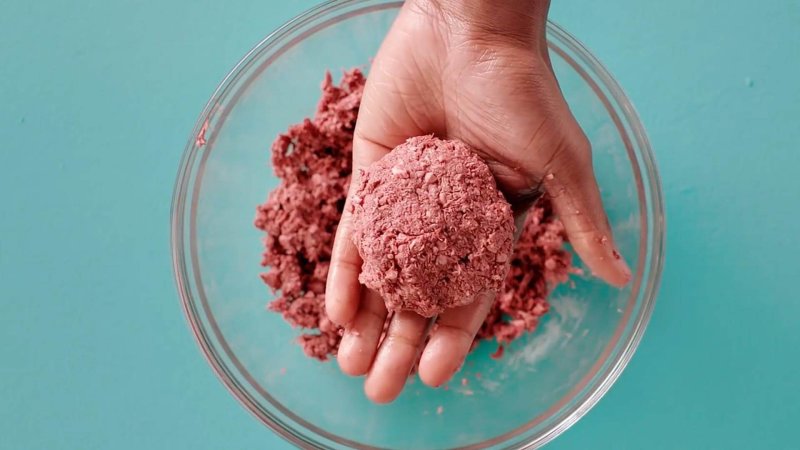
[Just five years ago, Upside Foods] developed a biological process to grow synthetic meat products by taking stem cells from animals and eggs; feeding those cells nutrients, carbohydrates, minerals, fats, and vitamins; and speeding up their growth in a bioreactor. Using this technique, Upside Foods has been able to produce beef, duck, and chicken at scale. 

Almost unnoticed, the synthetic biology (syn-bio, for short) revolution has begun, and is gathering real momentum. Like Upside Foods and Impossible Foods, dozens of startups are using syn-bio technologies to create new processes and products, from fabrics, flavors, foods, and fuels, to dyes, cosmetics, spices, and even data storage—in addition to, of course, blockbuster drugs. The upstarts are bioengineering products that are more durable; are sustainable, because they consume fewer resources such as land and water; generate less waste; and are usually healthier. 

Follow the latest news and policy debates on sustainable agriculture, biomedicine, and other ‘disruptive’ innovations. Subscribe to our newsletter.

Micro-organisms can make many of the things that industrial processes currently do, so they offer new ways of engineering (almost) everything that human beings consume. Companies in every industry in the world have no choice, we believe, but to come to grips with this emergent technology right away. 

Read the original post

{{ reviewsTotal }}{{ options.labels.singularReviewCountLabel }}
{{ reviewsTotal }}{{ options.labels.pluralReviewCountLabel }}
{{ options.labels.newReviewButton }}
{{ userData.canReview.message }}

Related Articles

Infographic: Global regulatory and health research agencies on whether glyphosate causes cancer

Infographic: Global regulatory and health research agencies on whether glyphosate causes cancer

Does glyphosate—the world's most heavily-used herbicide—pose serious harm to humans? Is it carcinogenic? Those issues are of both legal and ...

Most Popular

ChatGPT-Image-Mar-10-2026-01_39_01-PM
Viewpoint—“Miracle molecule” debunked: Why acemannan supplements don’t work
ChatGPT-Image-Jun-25-2026-12_23_17-PM
No, Bill Gates did not secretly engineer ticks to promote veganism
ChatGPT-Image-Jun-19-2026-04_11_20-PM
Daubert for Dummies—Scientific Reliability in U.S. Courts: Daubert, Rule 702, and Made-for-Litigation Evidence
ChatGPT-Image-Jun-17-2026-10_52_43-AM
Anguished parents, doctors in tears: Utah’s long measles outbreak takes a toll
Screenshot-2026-06-15-at-1.55.27-PM
America's trust in Trump-Kennedy's CDC health recommendations is plunging
Screenshot-2026-06-22-at-9.04.46-PM
Kennedy's nutrition prescription for medical schools: Real problem, bad cure
ChatGPT-Image-Jun-15-2026-11_51_00-AM-4
Viewpoint: As the International Association for Research on Cancer loses influence, activists and trial lawyers scramble to protect a lucrative playbook
Screenshot-2026-06-05-at-2.12.30-PM
Some plants can poison you. So how did humans figure out what is safe to eat?

Sorry. No data so far.

glp menu logo outlined

Get news on human & agricultural genetics and biotechnology delivered to your inbox.