‘We’re successful when our steaks are served at a diner in rural Kansas’: Can mushrooms replicate the taste and texture of animal meat?

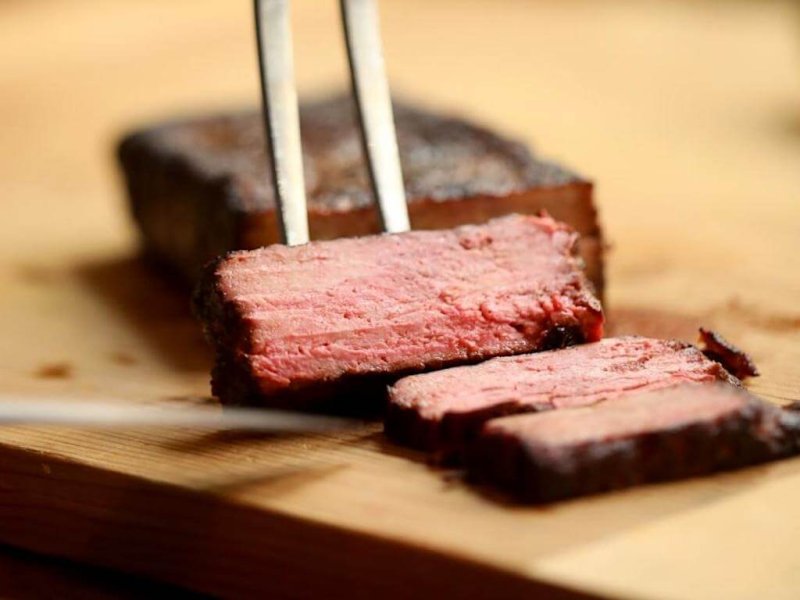
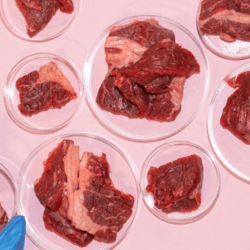
Meati Foods' mycelium steak. Credit: Meati Foods

While plenty of plant-based meat companies claim to replicate the taste of the real thing, industry leaders like Beyond Meat, Inc. and Impossible Foods mostly sell products that mimic ground beef or sausages, rather than the texture of a whole cut. 

Now, a new startup focused on mushrooms wants to change that. Meati Foods, backed by famous restaurateurs like Grant Achatz and David Barber, is using mycelium, the vegetative root of a fungi to make jerky, chicken breast, beefsteaks, and deli meat.

Meati harvests a fast-growing strain of mycelium from grasslands around the world. Then, it places pieces of the fungi in big metal tanks. The company adds sugar to the tanks and lets the substance cultivate for 18 hours in a process similar to brewing beer. The outcome: easily-moldable chunks that mimic the texture of real meat, packed with protein, zinc, fiber, and other vitamins and minerals. 
Follow the latest news and policy debates on sustainable agriculture, biomedicine, and other ‘disruptive’ innovations. Subscribe to our newsletter.

“I know we’re successful when our Meati steaks are served at a diner in rural Kansas,” [Meati CEO Tyler Huggins] said. “They’ve understood this product is for them just like anybody else, and they see the value and they think it’s delicious.”


This is an excerpt. Read the original post here.

{{ reviewsTotal }}{{ options.labels.singularReviewCountLabel }}
{{ reviewsTotal }}{{ options.labels.pluralReviewCountLabel }}
{{ options.labels.newReviewButton }}
{{ userData.canReview.message }}

Related Articles

Infographic: Global regulatory and health research agencies on whether glyphosate causes cancer

Infographic: Global regulatory and health research agencies on whether glyphosate causes cancer

Does glyphosate—the world's most heavily-used herbicide—pose serious harm to humans? Is it carcinogenic? Those issues are of both legal and ...

Most Popular

Screenshot-2026-04-13-at-1.39.26-PM
Viewpoint: ‘Safer for children?’ Stonyfield yogurt under fire for deceptive organic marketing
Screenshot-2026-04-22-at-10.46.29-AM
Viewpoint: How to counter science disinformation? Science journalist offers 12 practical tips
ChatGPT-Image-May-7-2026-12_16_37-PM-2
Viewpoint: Are cancer rates ‘skyrocketing’ as RFK, Jr. and MAHA claim? The evidence says mostly the opposite
Picture1-14
When superbugs threaten vulnerable children: Can AI help solve antibiotic resistance?
Screenshot-2026-04-23-at-11.00.36-AM
Regulators' dilemma: Thalidomide, Metformin, and the cost of getting drug approvals wrong
ChatGPT-Image-May-12-2026-08_39_41-PM
GLP podcast: Big Pharma, Big Ag, Big Food—health harming industries or life-saving innovators?
Picture1-1
Cooling the planet with balloons: Could a geoengineering gamble slow global warming?
ChatGPT-Image-May-7-2026-12_32_36-PM
Viewpoint: The state of U.S. vaccine policy? Dismal nationally, but some states are stepping up.
png-pill-omega-Supp-fish-oil
Millions take omega-3 fish oil for brain health. New research suggests it may do the opposite.
glp menu logo outlined

Get news on human & agricultural genetics and biotechnology delivered to your inbox.