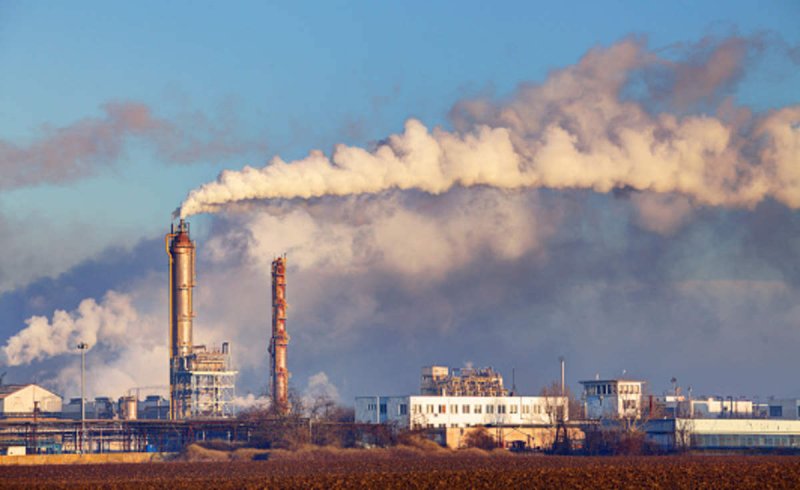
About one-quarter of greenhouse gas emissions are associated with the manufacture of the products we use. While a small number of commercial uses for carbon dioxide exist — for instance in the beverage and chemical industries — the current demand isn’t enough to achieve meaningful carbon dioxide reduction.
As such, we need to find new ways to transform industrial manufacturing from being a carbon dioxide source to a carbon dioxide user.
The good news is that plastics, chemicals, cosmetics and many other products need a carbon source. If we could produce them using carbon dioxide instead of fossil hydrocarbons, we would be able to sequester billions of tonnes of greenhouse gases per year.
How, you may ask? Well, biology already has a solution.
…
Acetogens are thought to be one of the first life-forms on Earth. The ancient Earth’s atmosphere was very different to the atmosphere today — there was no oxygen, yet plentiful carbon dioxide.

Acetogens were able to recycle this carbon using chemical energy sources, such as hydrogen, in a process called gas fermentation.
Acetogens are potentially up to twice as efficient as most current industrial processes — which makes them a cheaper and more environmentally friendly option.