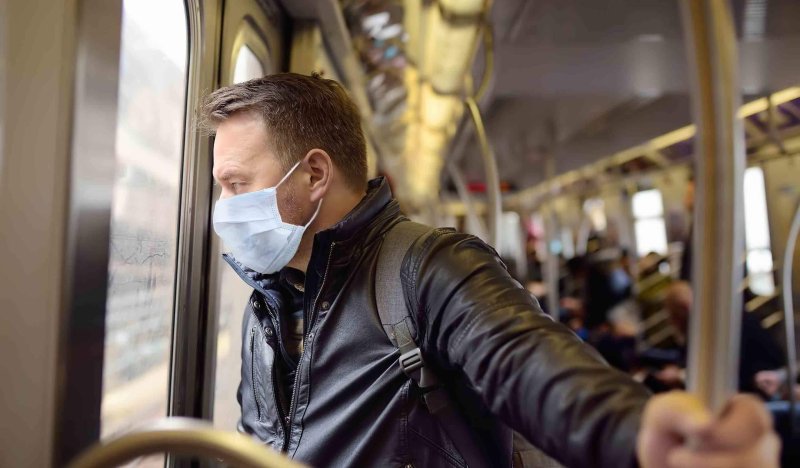
‘Politics of natural immunity vs vaccines’: British Medical Journal reports US stands alone in ‘not counting’ immunity impact of people who have had COVID in recommendations

Credit: Santec
Credit: Santec

When the vaccine rollout began in mid-December 2020, more than one quarter of Americans—91 million—had been infected with SARS-CoV-2, according to a US Centers for Disease Control and Prevention (CDC) estimate.

As of this May, that proportion had risen to more than a third of the population, including 44% of adults aged 18-59

The substantial number of infections, coupled with the increasing scientific evidence that natural immunity was durable, led some medical observers to ask why natural immunity didn’t seem to be factored into decisions about prioritising vaccination.

“The CDC could say [to people who had recovered], very well grounded in excellent data, that you should wait 8 months,” [said infectious disease expert] Monica Gandhi… She suggested authorities ask people to “please wait your turn.”

Still, the CDC instructed everyone, regardless of previous infection, to get fully vaccinated as soon as they were eligible.

Follow the latest news and policy debates on sustainable agriculture, biomedicine, and other ‘disruptive’ innovations. Subscribe to our newsletter.

As more US employers, local governments, and educational institutions issue vaccine mandates that make no exception for those who have had covid-19, questions remain about the science and ethics of treating this group of people as equally vulnerable to the virus—or as equally threatening to those vulnerable to covid-19—and to what extent politics has played a role.


This is an excerpt. Read the original post here.

{{ reviewsTotal }}{{ options.labels.singularReviewCountLabel }}
{{ reviewsTotal }}{{ options.labels.pluralReviewCountLabel }}
{{ options.labels.newReviewButton }}
{{ userData.canReview.message }}

Related Articles

Infographic: Global regulatory and health research agencies on whether glyphosate causes cancer

Infographic: Global regulatory and health research agencies on whether glyphosate causes cancer

Does glyphosate—the world's most heavily-used herbicide—pose serious harm to humans? Is it carcinogenic? Those issues are of both legal and ...

Most Popular

Screenshot-PM-24
Viewpoint: The herbicide glyphosate isn’t perfect. Banning it would be far worse.
d-b
Blocked arteries, kidney stones, nausea, constipation, fatigue: Long list of health problems caused by too much vitamin D 
79d03212-2508-45d0-b427-8e9743ff6432
Viewpoint: The Casey Means hustle—Wellness woo opportunism dressed up as medical wisdom
ChatGPT-Image-Mar-10-2026-01_39_01-PM
Viewpoint—“Miracle molecule” debunked: Why acemannan supplements don’t work
ChatGPT-Image-Apr-30-2026-12_21_05-PM-2
The tech billionaires behind the immortality movement
ChatGPT-Image-Apr-30-2026-05_00_48-PM
Wellness grifter physician turned wellness influencer out as surgeon general nominee
ChatGPT-Image-Mar-27-2026-11_27_05-AM
The myths of “process”: What science says about the “dangers’ of synthetic products and ultra-processed foods
Screenshot-2026-04-30-at-11.33.46-AM
Anti-seed-oil to anti-vax pipeline: MAHA movement spreads to teen influencers

Sorry. No data so far.

glp menu logo outlined

Get news on human & agricultural genetics and biotechnology delivered to your inbox.