Deadly viruses that target chickens can spill over into humans. Gene editing is a solution — if activists don’t block rollout

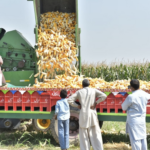
Credit: Pune Mirror
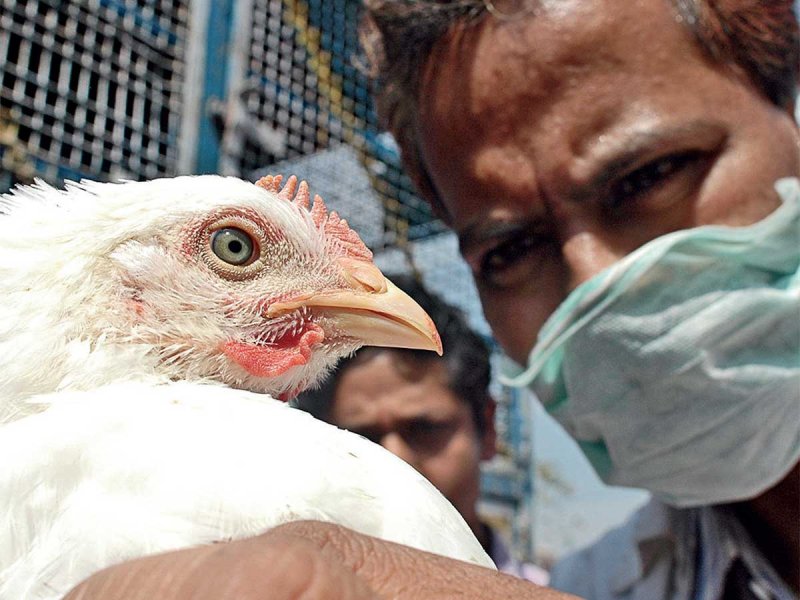
Credit: Pune Mirror

Diseases such as avian flu trigger the culling of millions of birds each year. But that need not be the case for much longer.

Vaccines are one preventive strategy employed in some countries, but they do not stop birds from being infected, getting mild versions of the disease and transmitting it to healthy chickens.

Follow the latest news and policy debates on sustainable agriculture, biomedicine, and other ‘disruptive’ innovations. Subscribe to our newsletter.

And an even more grim possibility is that the viruses that afflict domestic birds can spill over into humans with deadly effect.

So scientists are working on a more permanent solution: gene editing, which is designed to alter specific genes in an organism to enhance certain characteristics or inhibit others. 

Even as the science marches on, the commercial case for any such progress is handicapped by the lack of a global regulatory consensus and consumer acceptance, the scientists said.

We have the tools required to develop disease-resistant chickens, but it’s important to bring the public along with the journey, says [virologist Laurence] Tiley. “If somebody jumps into a room and shouts fire, people tend to respond. And so, if somebody says GM food is dangerous, people tend to take that at face value,” he says.


This is an excerpt. Read the original post here.

{{ reviewsTotal }}{{ options.labels.singularReviewCountLabel }}
{{ reviewsTotal }}{{ options.labels.pluralReviewCountLabel }}
{{ options.labels.newReviewButton }}
{{ userData.canReview.message }}

Related Articles

Infographic: Global regulatory and health research agencies on whether glyphosate causes cancer

Infographic: Global regulatory and health research agencies on whether glyphosate causes cancer

Does glyphosate—the world's most heavily-used herbicide—pose serious harm to humans? Is it carcinogenic? Those issues are of both legal and ...

Most Popular

ChatGPT Image May 10, 2026, 08_16_59 PM 2
Overmedicalization? RFK Jr.’s antidepressant crackdown raises conflict questions over his fee stake in Wisner Baum, the tort firm built on suing drug makers
Picture1-5
Science Disinformation Gap: The transatlantic battle over social media and censorship
Picture1-1
Cooling the planet with balloons: Could a geoengineering gamble slow global warming?
Screenshot-2026-05-08-at-3.40.33-PM
Seeds of power: China turns to genetic engineering to become global superpower
Picture1-14
When superbugs threaten vulnerable children: Can AI help solve antibiotic resistance?
ChatGPT-Image-Apr-13-2026-02_20_22-PM
Viewpoint: Misinformation infodemic? Why assessing evidence is so challenging 
Screenshot-2026-05-01-at-1.29.41-PM
Viewpoint: What happens when whole grains meet modern food manufacturing? Labels don’t tell the whole story.
Screenshot-2026-05-11-104424
Hantavirus outbreak research: Trump administration shut down study last year on rodent-to-human transmission
Screenshot-2026-04-12-135256
Bixonimania: The fake disease scam that AI swallowed whole
Screenshot 2026-05-08 at 3.01
Transforming farming and nutrition with AI and robotics? Larry Ellison’s half-billion-dollar Hawaii greenhouse dream goes bust
S
As vaccine rejectionism spreads, measles may be taking a more dangerous turn
Screenshot-2026-04-20-at-2.26.27-PM
Viewpoint — Food-fear world: The latest activist scientists campaign: Cancer-causing additives
glp menu logo outlined

Get news on human & agricultural genetics and biotechnology delivered to your inbox.