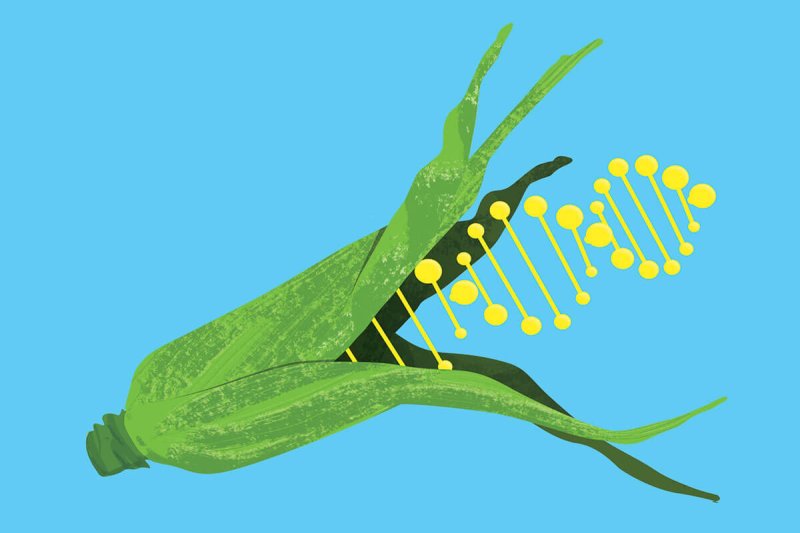
Popular Science weighs in on the GMO debate: ‘Food safety experts agree genetically modified organisms, from plants to animals, are safe for human consumption’

Credit: Intelligence Squared

By January 2022, products that have been bioengineered, or have an ingredient in them that’s been bioengineered, will require a disclosure telling consumers about the presence of GMOs, thanks to a mandate from Congress. You might already see this new label make its way onto select foods and brands starting this year. 

The new labeling system might make people wonder, as they frequently have in the past—are GMOs safe?

Follow the latest news and policy debates on sustainable agriculture, biomedicine, and other ‘disruptive’ innovations. Subscribe to our newsletter.

Good news: The majority of food safety experts agree that genetically modified organisms, from plants to animals, are generally safe for human consumption. 

The National Academies of Sciences, Engineering, and Medicine found in a 2016 review of more than 1,000 studies that GMO crops don’t pose a health risk to humans. 

In a press release, the committee announced that it “found no substantiated evidence of a difference in risks to human health between current commercially available genetically engineered (GE) crops and conventionally bred crops.” 

The World Health Organization, the American Association for the Advancement of Science, and the European Commission reached the same conclusion. The US FDA works closely with the EPA and USDA to evaluate the safety of new GMO crops and ingredients. 

This is an excerpt. Read the original post here.

{{ reviewsTotal }}{{ options.labels.singularReviewCountLabel }}
{{ reviewsTotal }}{{ options.labels.pluralReviewCountLabel }}
{{ options.labels.newReviewButton }}
{{ userData.canReview.message }}

Related Articles

Infographic: Global regulatory and health research agencies on whether glyphosate causes cancer

Infographic: Global regulatory and health research agencies on whether glyphosate causes cancer

Does glyphosate—the world's most heavily-used herbicide—pose serious harm to humans? Is it carcinogenic? Those issues are of both legal and ...

Most Popular

Screenshot-2026-04-22-at-12.21.32-PM
Viewpoint: Why the retracted Monsanto glyphosate study doesn’t change the science—the world’s most popular herbicide is safe 
ChatGPT-Image-May-1-2026-11_42_59-AM-2
Viewpoint: NAD is the wellness grifters latest evidence-lite longevity fad. At least the mice are impressed.
Picture1
The FDA couldn’t find a vaccine safety crisis, so it buried its own research
ChatGPT-Image-Apr-16-2026-02_56_53-PM
Financial incentives, over diagnosis, and weak oversight: Autism claims are driving up Medicare costs
Screenshot-2026-04-12-135256
Bixonimania: The fake disease scam that AI swallowed whole

Sorry. No data so far.

glp menu logo outlined

Get news on human & agricultural genetics and biotechnology delivered to your inbox.