Daily aspirin use has “no net benefit” for preventing cardiovascular disease, research shows

Credit: Adobe
Credit: Adobe

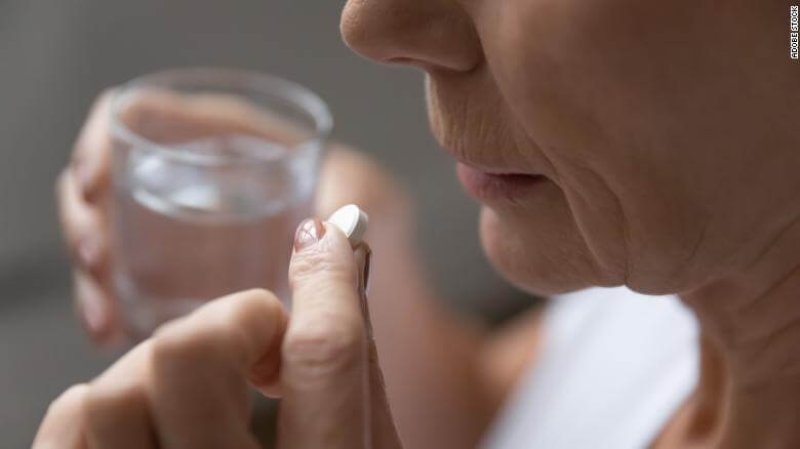
People 60 years old and older should not start taking daily aspirin to prevent cardiovascular disease, according to draft recommendations from a national task force that monitors best ways to prevent disease.

The U.S. Preventive Services Task force’s proposed guidance says daily aspirin “has no net benefit” for cardiovascular health.

The task force also says people age 40 to 59 with higher risk of disease should make individual decisions about whether to take aspirin.

“Persons who are not at increased risk for bleeding and are willing to take low-dose aspirin daily are more likely to benefit,” the task force said.

Follow the latest news and policy debates on sustainable agriculture, biomedicine, and other ‘disruptive’ innovations. Subscribe to our newsletter.

Besides the new proposed recommendations for preventing cardiovascular disease, they also changed the previous recommendation for colorectal cancer.

The task force “concluded that the evidence is inadequate that low-dose aspirin use reduces (colorectal cancer) incidence or mortality.”


This is an excerpt. Read the original post here. 

{{ reviewsTotal }}{{ options.labels.singularReviewCountLabel }}
{{ reviewsTotal }}{{ options.labels.pluralReviewCountLabel }}
{{ options.labels.newReviewButton }}
{{ userData.canReview.message }}

Related Articles

Infographic: Global regulatory and health research agencies on whether glyphosate causes cancer

Infographic: Global regulatory and health research agencies on whether glyphosate causes cancer

Does glyphosate—the world's most heavily-used herbicide—pose serious harm to humans? Is it carcinogenic? Those issues are of both legal and ...

Most Popular

ChatGPT-Image-May-1-2026-11_42_59-AM-2
Viewpoint: NAD is the wellness grifters latest evidence-lite longevity fad. At least the mice are impressed.
Screenshot-2026-04-22-at-12.21.32-PM
Viewpoint: Why the retracted Monsanto glyphosate study doesn’t change the science—the world’s most popular herbicide is safe 
Picture1
The FDA couldn’t find a vaccine safety crisis, so it buried its own research
Picture1
The Orange Bowl without oranges: Can CRISPR save Florida citrus?
Screenshot 2026-01-06 at 2.21
‘The dire wolf isn’t back’: A Colossal failure or the cutting-edge of conservation? Maybe both
glp menu logo outlined

Get news on human & agricultural genetics and biotechnology delivered to your inbox.