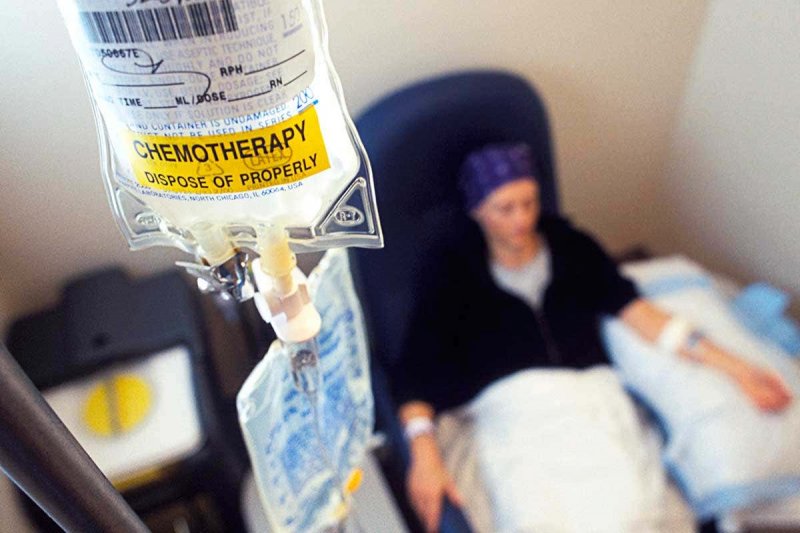

Chemotherapy for decades was considered “the rule, the dogma,” for treating breast cancer and other cancers, said Dr. Gabriel Hortobagyi, a breast cancer specialist at MD Anderson Cancer Center in Houston.
But data from a variety of sources offers some confirmation of what many oncologists say anecdotally — the method is on the wane for many cancer patients.
Genetic tests can now reveal whether chemotherapy would be beneficial.
For many there are better options with an ever-expanding array of drugs, including estrogen blockers and drugs that destroy cancers by attacking specific proteins on the surface of tumors.
And there is a growing willingness among oncologists to scale back unhelpful treatments.



Still, the opportunity to avoid chemotherapy is not evenly distributed, and is often dependent on where the person is treated and by whom.
But for some patients who are lucky enough to visit certain cancer treatment centers, the course of therapy has changed. Now, even when chemotherapy is indicated, doctors often give fewer drugs for less time.
“It’s a totally different world,” said Dr. Lisa Carey, a breast cancer specialist at the University of North Carolina.