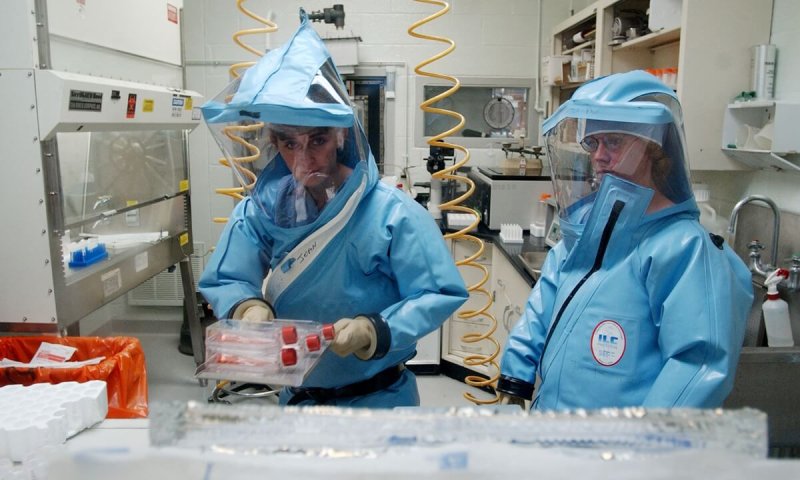
Called the “DEEP VZN” project, USAID will partner with a consortium of universities and public health organizations, led by Washington State University, to drastically expand the work of discovering new viruses in the wild to study how they might spill over into humans in the future. The goal, according to Washington State, is to collect 800,000 samples in Asia, Africa and Latin America over five years, to identify 8,000 to 12,000 new viruses, including some in the same family as SARS-CoV-2.
Rutgers University molecular biologist and biosafety expert Richard Ebright told me the money would be better spent on monitoring and responding to outbreaks rather than trying to predict them.
“USAID’s new program of pathogen surveillance in wildlife doubles down on its previous failed bet and could cause a next pandemic,” he said. “It is foolhardy to expand these high-risk, low-benefit activities.”
…

Expanding this research before putting better biosafety oversight measures in place could be disastrous.
And what if this research was related to the outbreak? Shouldn’t we focus on finding that out first? We must do more to determine how this pandemic started — before we potentially create the conditions for sparking another one.