“Canada is one of a few global net exporters of food and a leader in sustainable production; agri-innovation is driving change and helping deliver quality crops in great quantity and with reduced environmental impact,” says Steven Webb, chief executive officer of the Global Institute for Food Security (GIFS) at the University of Saskatchewan (USask).
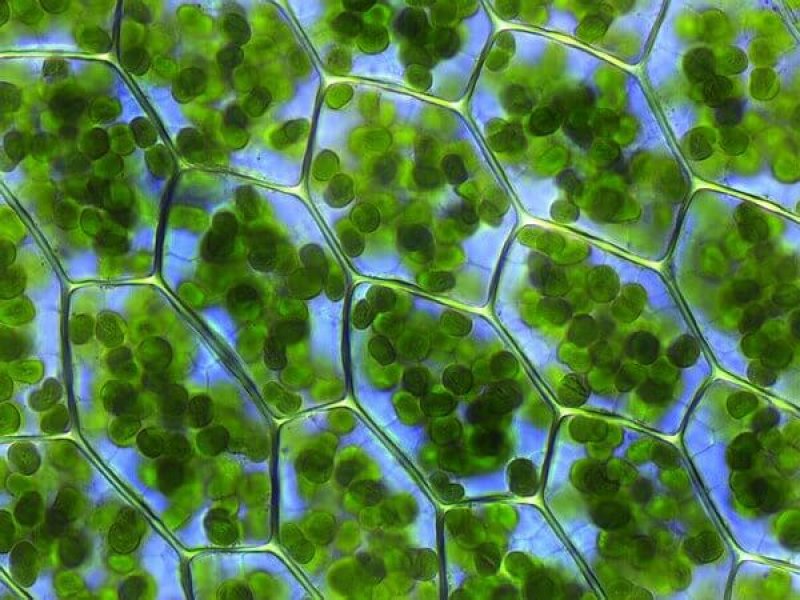
A current project at GIFS is focused on boosting photosynthesis in crops – the process by which plants absorb and sequester carbon to create food and energy.
“Agriculture is part of the solution for managing greenhouse gas emissions, and photosynthesis is a natural solution for carbon sequestration,” says Dr. Webb. “Our scientists are working to enhance nature’s solution to improve the photosynthetic ability of plants, improve quality crop yield and reduce carbon emissions – a win for economics and the environment.”
…

Another initiative driving innovation in agriculture is the Omics and Precision Agriculture Laboratory (OPAL). Managed by GIFS and a partnership between NRC, Agriculture and Agri-Food Canada and USask, OPAL combines the digital data analysis of microbial, plant and animal genes and traits with the latest precision agtech, such as drones and GPS, to improve crop yield, sustainability and profitability in the agri-food sector.