
One tactic California trial lawyers finessed is the use of questionable scientific evidence in trials, sometimes called “junk science.” Now, the state’s junk science may soon go before the U.S. Supreme Court due to an outlier study used to pin Monsanto’s Roundup weedkiller as carcinogenic.
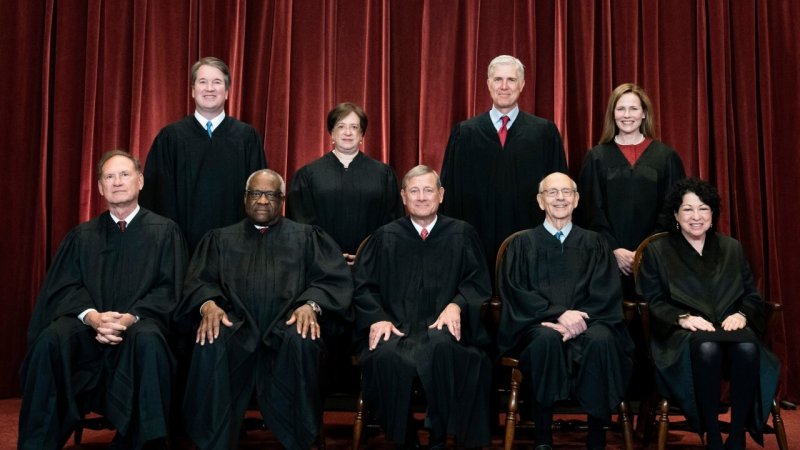
The U.S. Supreme Court must take this opportunity to rein in California’s lax rules on junk science and stop the trial bar’s liability-expanding agenda from permeating courthouses nationwide. Similar litigation is already teed up in fellow Judicial Hellhole, St. Louis.
The Supreme Court can provide guidelines on consistent, nationwide evidentiary standards under the Daubert standard for expert evidence– which is especially crucial in major litigation.
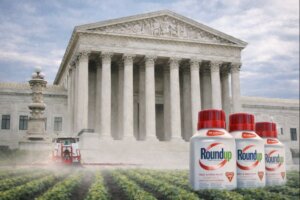 Supreme Court agrees to review Bayer’s request to block lawsuits claiming federally-approved herbicide glyphosate causes cancer
 Bayer on SCOTUS: It should not face liablity in state courts for alleged health damages caused by its weedkiller Roundup (glyphosate) when independent federal agencies have reviewed thousands of studies and labeled it safe



Lawsuits targeting industries tied to public health and food supply chains can have a truly chilling effect not only on research and development but on the availability of products we use and need every day. If we continue down this path of lawsuit abuse, we’ll see more critical industries move production abroad, while the availability of new medicines and critical products decreases in the U.S.