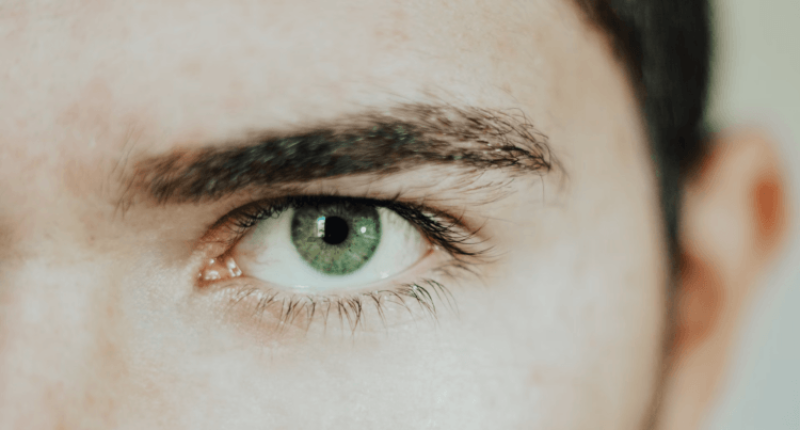
Only 2% of the world’s population has green eyes. Why so few?

Only 2% of the world's population has green eyes. Why so few?
Credit: Unsplash/ Douglas Alves

Timothy Sexton, who has a PhD in population genetics [from the University of British Colombia] and over 18 years of experience with genetic analysis [through his company DNA Romance], told Newsweek: “The development and rarity of green eyes are influenced by intricate genetic interactions and the mixing of human populations.”

Mis- and disinformation are distorting science and public policy. Subscribe to our Daily and Weekly Digests for incisive coverage of ‘disruptive’ innovations in AI, agricultural biotechnology, food, chemicals, nuclear energy, vaccines, and other disruptive innovations.

According to a study published in late January this year in Scientific Reports, “the most common iris color in the world is brown, accounting for about 79 percent.”

Sexton, the founder of DNA Romance, an online dating platform providing connections based on a DNA test analysis, said green eyes are estimated at 2 percent of the population worldwide. This prevalence is much higher in certain European countries, such as Ireland, Scotland, the U.K., France and Germany, he added.

…

[Opthamologist and ophthalmic surgeon Dr. Jovi Boparai, founder and CEO of CorneaCare,] further explained that many babies are born with lighter eye colors, such as blue or gray, because melanin production in the iris is “still ramping up.”



But as they grow older, typically between six months and three years of age, the iris produces more melanin, “potentially causing the eyes to darken to hazel, brown, or even a deeper shade of green,” he said.

Even beyond infancy, eye color can undergo subtle changes depending on lighting, mood, and even clothing choices. Boparai said: “This is primarily due to the way light interacts with the melanin and other pigments in the iris.” For example, green eyes might appear more blue in certain lighting conditions or slightly hazel in direct sunlight, he said.


This is an excerpt. Read the full article here

Related Articles

Infographic: Global regulatory and health research agencies on whether glyphosate causes cancer

Infographic: Global regulatory and health research agencies on whether glyphosate causes cancer

Does glyphosate—the world's most heavily-used herbicide—pose serious harm to humans? Is it carcinogenic? Those issues are of both legal and ...

Most Popular

ChatGPT-Image-Mar-10-2026-01_39_01-PM
Viewpoint—“Miracle molecule” debunked: Why acemannan supplements don’t work
Screenshot-2026-10-07-at-2.00.02-PM
9 wellness myths busted
Concerned-Farmer-at-Golden-Hour
GAHA: The corporate-created “healthier America” movement challenging what it claims is MAHA misinformation about modern farming, chemicals, and food
AI Doctor with a Digital Neural Head
Utah becomes first state to empower AI to bypass doctors and prescribe certain drugs
Screenshot-2026-09-22-at-12.26.15-PM
‘Forever chemical’ concerns: Separating hysteria from reasonable concern in the debate over PFAS danger
Screenshot-2026-10-06-at-11.13.59-AM
RFK Jr.’s plan to curb America’s appetite for ultra-processed foods and artificial dyes blocked by the White House
AI-Force-Uniform-Insignia-Close-Up
Trump wants an AI Force like Space Force, but that could make AI’s risks harder to manage
Screenshot-2026-10-08-at-2.32.00-PM
Abortion rights opponents outraged after FDA says its “safety review” of the already-found-safe mifepristone abortion pill will continue into 2027
Radioactive-Americana-Collage-2
The kooky logic behind the raft of spurious cancer claims from Harvard’s T.H. Chan School of Public Health
glp menu logo outlined

Get news on human & agricultural genetics and biotechnology delivered to your inbox.