Viewpoint: ‘One-size-fits-all pesticide policy hurts farmers and doesn’t help pollinators’ — Why Boulder, Colorado ignores science in push to ban neonicotinoids

It is commonly cited within the beekeeping community that pesticides called neonics can negatively impact honeybees.

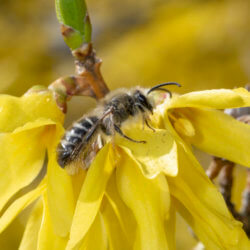
An oft-invoked visualization shows a bee landing on a sunflower grown from seeds coated in neonics, triggering its neuroreceptors and leading it to collect nectar in an inefficient and bizarre pattern.

While this is harmful to the foraging bees that are at the end of their lifecycle, this doesn’t mean that this is leading to colony collapse disorder or massive deaths of bees.

Follow the latest news and policy debates on sustainable agriculture, biomedicine, and other ‘disruptive’ innovations. Subscribe to our newsletter.

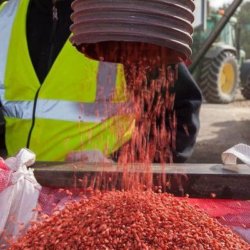
While we understand the urge to protect and promote pollinators such as honeybees in Colorado, Boulder County needs to allow farmers the choice of pesticides…. Banning neonics means that sugar beet farmers must use the pesticide Counter, which is applied at 9.8 pounds per acre compared to 24 grams per acre for neonics.
That’s why, whether at the local level or state level, lawmakers must keep in mind that pesticides are vital for farmers and turn to science, not politics, when it comes to crafting smart policy.


This is an excerpt. Read the original post here.

{{ reviewsTotal }}{{ options.labels.singularReviewCountLabel }}
{{ reviewsTotal }}{{ options.labels.pluralReviewCountLabel }}
{{ options.labels.noReviewsLabel }}
{{ options.labels.newReviewButton }}
{{ userData.canReview.message }}

Related Articles

Infographic: Global regulatory and health research agencies on whether glyphosate causes cancer

Infographic: Global regulatory and health research agencies on whether glyphosate causes cancer

Does glyphosate—the world's most heavily-used herbicide—pose serious harm to humans? Is it carcinogenic? Those issues are of both legal and ...

Most Popular

ChatGPT-Image-Mar-10-2026-01_39_01-PM
Viewpoint—“Miracle molecule” debunked: Why acemannan supplements don’t work
ChatGPT-Image-Jun-25-2026-02_53_56-PM
Embryo gene editing is on the horizon, stirring mixed emotions
Screenshot-2026-07-01-at-2.49.48-PM
Dr. TikTok and male fertility: Viral claims tout GLP-1 drugs as fertility boosters. What does the science say?
a-mature-farmer-working-in-the-field-at-sunrise-harvesting-crops-generated-by-ai-photo
What’s the prospect of developing gene-altered crops that are more nutritious and resist climate disruption
ChatGPT-Image-Jul-6-2026-02_25_26-PM
40 million Americans take glucosamine. If you have memory loss, it could accelerate cognitive decline.
png-upside-food-syn-bio-cultured-meat
Regulating cultured meat around the world
Screenshot-2026-07-21-at-6.22.06-PM
The Indian physician’s one-woman battle against health disinformation on Wikipedia
reverse-aging
Rapamycin: Here’s the skinny on the anti-aging pill that increases the lifespan—of mice by 10%
YearReview Grift
Viewpoint: A practical guide to evaluating social media wellness hype
ChatGPT-Image-Jun-17-2026-03_29_08-PM
Viewpoint: What’s the impact of the U.S. abandoning support for global health?
ChatGPT-Image-Jun-25-2026-12_23_17-PM
No, Bill Gates did not secretly engineer ticks to promote veganism
ChatGPT-Image-Jul-17-2026-12_42_10-PM
Viewpoint: RFK, Jr. is setting up a panel to compensate people who claim they were injured by a COVID vaccine–no proof needed 
glp menu logo outlined

Get news on human & agricultural genetics and biotechnology delivered to your inbox.