


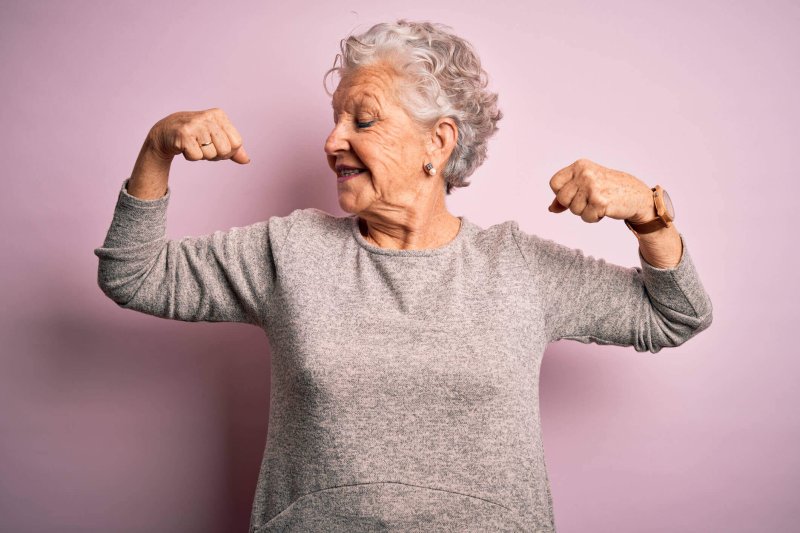

Why is physical activity so good for us as we age? According to a novel new theory about exercise, evolution and aging, the answer lies, in part, in our ancestral need for grandparents.
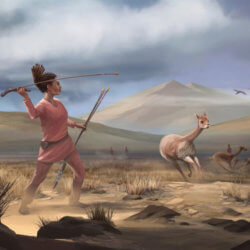
The theory, called the “Active Grandparent Hypothesis” and detailed in a recent editorial in Proceedings of the National Academy of Sciences, suggests that in the early days of our species, hunter-gatherers who lived past their childbearing years could pitch in and provide extra sustenance and succor to their grandchildren, helping those descendants survive.
The theory also makes the case that it was physical activity that helped hunter-gatherers survive long enough to become grandparents — an idea that has potential relevance for us today, because it may explain why exercise is good for us in the first place.
Most of us probably think we already know why we should exercise. We have ample evidence that physical activity of almost any kind improves heart health, reduces the risks and severity of multiple diseases and in many ways just makes us feel better.


But those benefits explain how exercise is good for us, “not why,” said Daniel Lieberman, an evolutionary biologist at Harvard University and the lead author of the editorial.






















