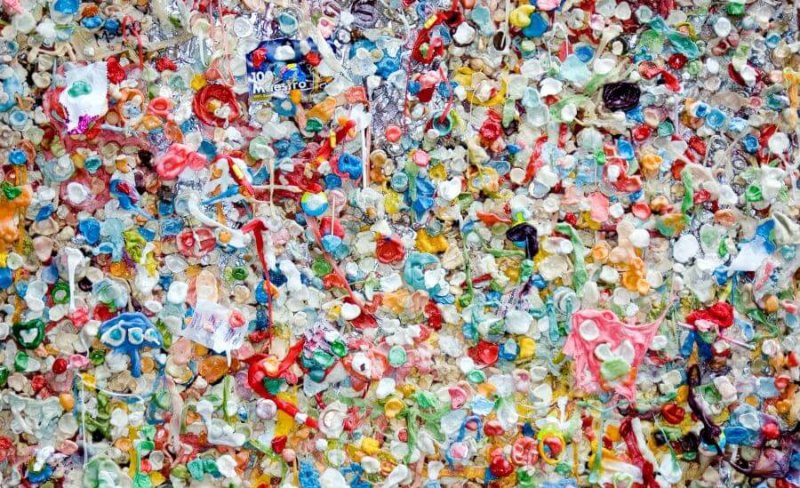
Viewpoint: Here’s why you should be concerned about nanoplastics

Credit: Plastic Free World

Tire particles from the world’s billions of cars, trucks, bikes, tractors, and other vehicles escape into air, soil, and water bodies.

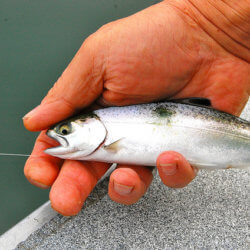
Scientists are just beginning to understand the grave danger: In 2020, Washington State researchers determined that the presence of 6PPD-quinone, a byproduct of rubber-stabilizing chemical 6PPD, is playing a major factor in a mysterious long-term die-off of coho salmon in the U.S. Pacific Northwest.

When Washington’s fall rains herald spawning salmon’s return from sea to stream, the precipitation also washes car tire fragments and other plastic particles into these freshwater ecosystems. 

Follow the latest news and policy debates on sustainable agriculture, biomedicine, and other ‘disruptive’ innovations. Subscribe to our newsletter.

Modern health researchers have yet to systematically search for it in people and comprehensively study how having plastic particles around us and in us at all times might be affecting human health.

[Researcher Alvise] Vianello and Jes Vollertsen, a professor of environmental studies at Aalborg University, explained that they’ve brought their findings to researchers at their university’s hospital for future collaborative research, perhaps searching for plastic inside human cadavers.

“We now have enough evidence that we should start looking for microplastic inside human airways,” Vollertsen said. “Until then, it’s unclear whether or not we should be worried that we are breathing in plastic.”


This is an excerpt. Read the original post here. 

{{ reviewsTotal }}{{ options.labels.singularReviewCountLabel }}
{{ reviewsTotal }}{{ options.labels.pluralReviewCountLabel }}
{{ options.labels.newReviewButton }}
{{ userData.canReview.message }}

Related Articles

Infographic: Global regulatory and health research agencies on whether glyphosate causes cancer

Infographic: Global regulatory and health research agencies on whether glyphosate causes cancer

Does glyphosate—the world's most heavily-used herbicide—pose serious harm to humans? Is it carcinogenic? Those issues are of both legal and ...

Most Popular

Screenshot-PM-24
Viewpoint: The herbicide glyphosate isn’t perfect. Banning it would be far worse.
d-b
Blocked arteries, kidney stones, nausea, constipation, fatigue: Long list of health problems caused by too much vitamin D 
79d03212-2508-45d0-b427-8e9743ff6432
Viewpoint: The Casey Means hustle—Wellness woo opportunism dressed up as medical wisdom
ChatGPT-Image-Mar-27-2026-11_27_05-AM
The myths of “process”: What science says about the “dangers’ of synthetic products and ultra-processed foods
ChatGPT-Image-Apr-30-2026-12_21_05-PM-2
The tech billionaires behind the immortality movement
ChatGPT-Image-Apr-30-2026-05_00_48-PM
Wellness grifter physician turned wellness influencer out as surgeon general nominee
ChatGPT-Image-Mar-3-2026-01_17_14-PM
MAHA wellness influencers deride proven anxiety medications, tout lifestyle fixes

Sorry. No data so far.

glp menu logo outlined

Get news on human & agricultural genetics and biotechnology delivered to your inbox.